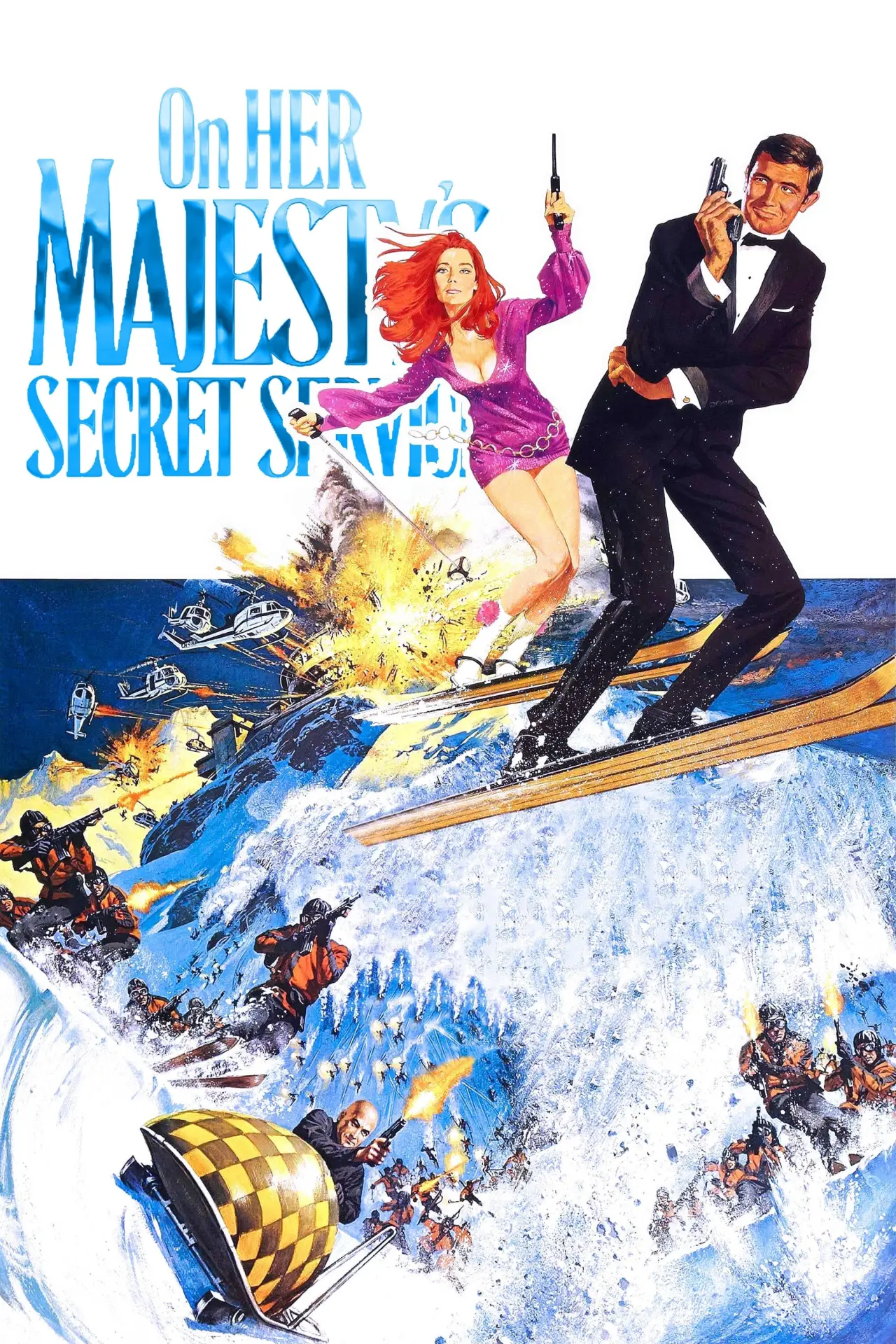
On Her Majesty's Secret Service
Far up! Far out! Far more! James Bond 007 is back!



![Video for the film On Her Majesty's Secret Service — On Her Majesty's Secret Service (1969) ORIGINAL TRAILER [HD 1080p]](https://i.ytimg.com/vi/U_-nD5r8dc0/maxresdefault.jpg)
Country
Production
Budget
$7 000 000
Box office
$22 813 587
Director
Actors
George Lazenby, Diana Rigg, Telly Savalas, Gabriele Ferzetti, Ilse Steppat, Bernard Lee, Lois Maxwell, George Baker, Bernard Horsfall, Desmond Llewelyn
All actors and roles (10)
All actors and roles (10)
Scenario
Producer
Albert R. Broccoli, Harry Saltzman, Stanley Sopel
Camera operator
Michael Reed
Composer
Artist
Syd Cain
Audition
Editing
Short description
With the help of Marc-Ange Draco, head of the Unione Corse crime syndicate, and Draco's troubled daughter Tracy, James Bond tracks his archnemesis, Ernst Stravro Blofeld, to a mountaintop retreat in the Swiss Alps, where he is training an army of beautiful, lethal women.
What's left behind the scenes
- One of the most accurate and faithful adaptations of Ian Fleming (1908-1964). Practically everything described in the book is also shown in the film. Such strict adherence to the source material leads to problems with the integrity and consistency of the narrative, as films are often shot not in the order in which their literary sources were written. Here, for example, James Bond and Ernst Stavro Blofeld meet as if for the first time, although they had already confronted each other in the film version of "You Only Live Twice" (Lewis Gilbert, 1967).
- George Lazenby wanted to perform almost all of his own stunts, but he wasn't allowed to. During the filming of one of the stunts, Lazenby broke his arm, which led to delays in filming scenes with his participation. When Bond was escorted to Blofeld’s laboratory in the mountains, the actor had a broken arm, but a coat was draped over that arm to hide it from the audience. This coat was taken by one of Blofeld’s guards, played by Yuri Borienko (Lazenby accidentally broke his nose during a scripted fight scene during the audition process).
- George Lazenby suggested the idea of skiing off a cliff and then deploying a parachute. This idea was initially rejected because there was no way to stage and film such a stunt. The idea was later used at the beginning of Lewis Gilbert's (1920-2018) film 'The Spy Who Loved Me' (1977).
- Having acquired a suit that Sean Connery had ordered but never picked up, buying the same Rolex watch as him, and getting the same hairstyle, George Lazenby went all out – he arranged a meeting with producers Albert R. Broccoli (1909-1996) and Harry Saltzman, and director Peter R. Hunt (1925-2002), and spun them a tale about having already played many roles, and also persuaded them to audition him. Only later did he admit to Hunt that he had made it all up and that he wasn’t an actor at all. Hunt laughed and said, “You came here and bamboozled two of the most ruthless bastards in the film industry. That means you’re an actor.”
- Initially, the producers considered explaining the change of the lead actor by claiming that Bond had undergone plastic surgery because his "previous" face was already too well known to foreign intelligence agents and international terrorists, making it impossible for him to work undercover. Ultimately, however, it was decided to say nothing at all, hoping to minimize the audience's attention to the fact that George Lazenby was now playing Agent 007 instead of the familiar Sean Connery (1930-2020). Either way, just before the credits roll, during a fight, Lazenby's character says, "That never happened to the other fellow," a line that serves as an ironic reference to the change in actors.
- One of the most accurate and faithful adaptations of Ian Fleming's (1908-1964) work. Practically everything described in the book is shown in the film. However, following the source material too closely leads to problems with the integrity and consistency of the narrative, as films are often shot in a different order than their literary originals are written. For example, James Bond and Ernst Stavro Blofeld seem to meet for the first time here, even though they had already come face-to-face in the film version of 'You Only Live Twice' (Lewis Gilbert, 1967).
- Lazenby was offered a contract for seven Bond films, but during filming, he decided he would only play the role in one.
- Lazenby was offered a contract for 7 Bond films, but he decided to star in only one during filming.
- During filming, the actors received their per diem in cash every evening. Upon seeing George Lazenby with a bag full of cash, Telly Savalas (1922-1994) invited him to play poker (Savalas regularly played with the crew) and soon left him penniless. Hearing about this, producer Harry Saltzman (1915-1994) arrived on set, joined the next poker game despite Savalas's protests, and won back everything Lazenby had lost. After that, he strictly forbade Savalas from bothering 'the kid,' meaning Lazenby.
- George Lazenby wanted to perform almost all of his own stunts, but he was not allowed to. While filming one of the stunts, Lazenby broke his arm, which led to delays in filming scenes featuring him. In the scene where Bond is escorted to Blofeld's mountain laboratory, the actor's arm was broken, so his coat was draped over it to prevent the audience from noticing. This coat was taken from him by one of Blofeld's guards, played by Yuri Borienko (Lazenby had accidentally broken his nose during a scripted scuffle during the screen tests).
- Having obtained a suit that Sean Connery had ordered but never picked up, buying the same Rolex watch, and styling his hair to match, George Lazenby went all out. He arranged a meeting with producers Albert R. Broccoli (1909-1996) and Harry Saltzman and director Peter R. Hunt (1925-2002), and spun a tale that he had already played many roles, eventually convincing them to give him a screen test. It was only later that he confessed to Hunt that he had made it all up and was not an actor at all. Hunt laughed and declared: 'You came in here and fooled two of the most ruthless bastards in the film industry. That means you are an actor.'
- George Lazenby suggested the idea of jumping off a cliff on skis and then deploying a parachute. This idea was initially rejected due to the lack of feasibility in staging and filming such a stunt. The idea was later used at the beginning of Lewis Gilbert's (1920-2018) film "The Spy Who Loved Me" (1977).
- Initially, the producers considered explaining the change of actor in the lead role by stating that Bond had undergone plastic surgery, as his “previous” face was already too well known to foreign intelligence agents and international terrorists, and he could no longer work undercover. However, it was eventually decided not to say anything about it at all, hoping to minimize audience attention to the fact that George Lazenby was now playing agent 007 instead of the familiar Sean Connery (1930-2020). Either way, just before the credits roll during a fight, Lazenby's character says: “That’s never happened to me before,”—and this phrase serves as an ironic reference to the change of actor.
- During filming, the actors received daily allowances in cash each evening. Seeing George Lazenby with a whole bag of cash, Telly Savalas (1922-1994) invited him to play poker (Savalas regularly played with the crew) and soon left him penniless. Upon hearing about this, producer Harry Saltzman (1915-1994) came to the set, joined another poker game, ignoring Savalas’ protests, and won back everything Lazenby had lost. He then strictly forbade Savalas from “messing with the kid,” meaning Lazenby.
Similar movies
8.2/10
8/10
7.9/10
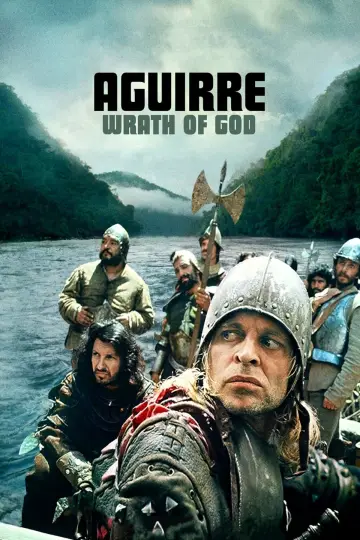
7.8/10

7.7/10
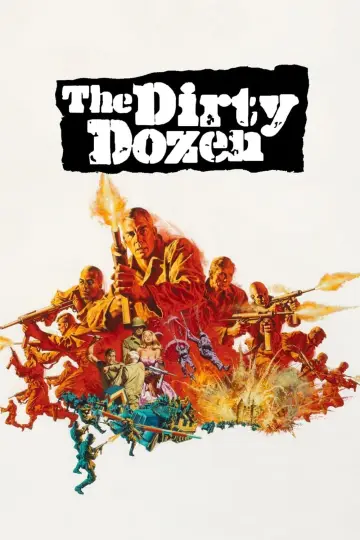
7.7/10
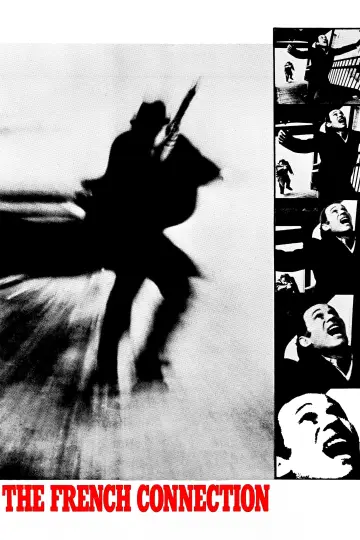
7.7/10
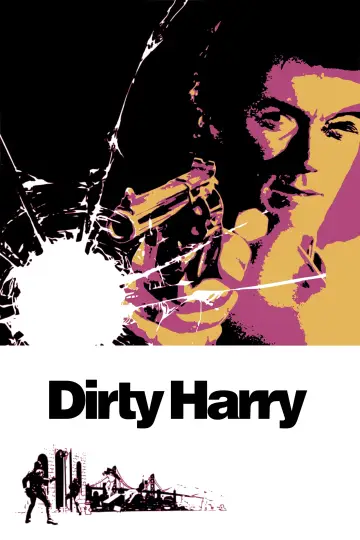
7.7/10
7.7/10
7.6/10


 Auditions in India
 Casting calls in USA
 Castingi w Polsce
 Кастинги в Україні
