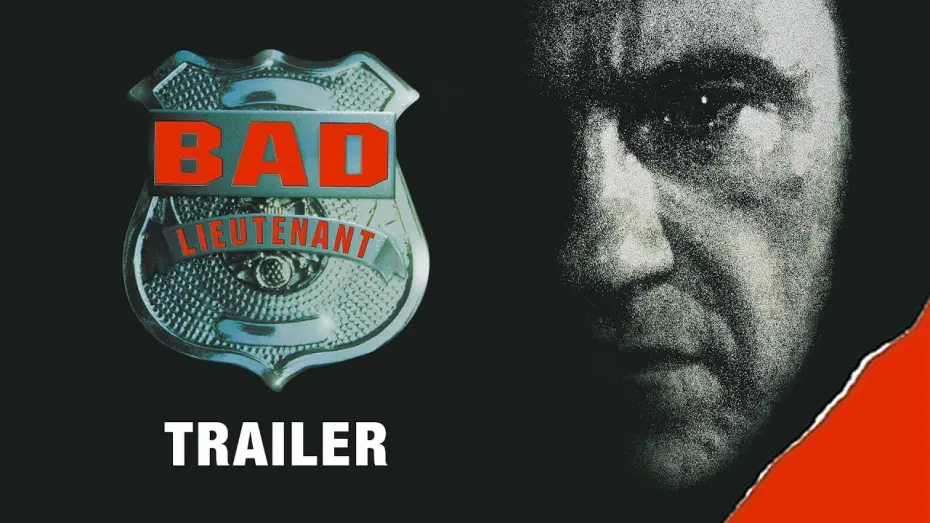
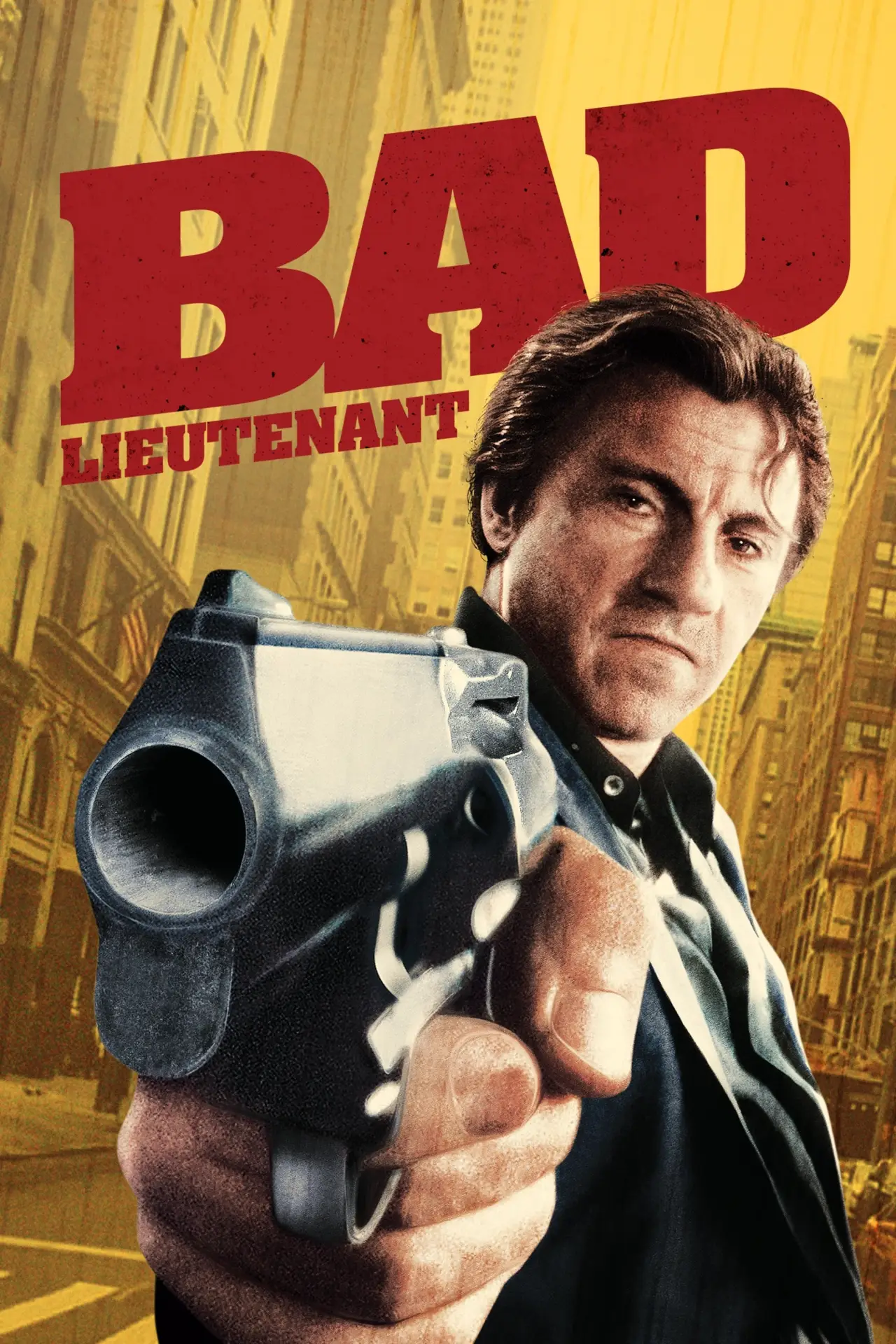
Bad Lieutenant
Gambler. Thief. Junkie. Killer. Cop.



Country
Production
Budget
$1 000 000
Box office
$2 019 469
Director
Actors
Harvey Keitel, Peggy Gormley, Stella Keitel, Victor Argo, Paul Calderon, Leonard L. Thomas, Vincent Laresca, Frankie Thorn, Brian McElroy, Frankie Acciarito
All actors and roles (10)
All actors and roles (10)
Scenario
Producer
Edward R. Pressman, Mary Kane, Patrick Wachsberger, Ronna B. Wallace
Camera operator
Composer
Joe Delia
Artist
Charles M. Lagola, David Weller
Audition
Meredith Jacobson Marciano, Kimba Hills
Editing
Anthony Redman, Peter Pastorelli
Whole Team (114)
Whole Team (114)
Short description
While investigating a young nun's rape, a corrupt New York City police detective, with a serious drug and gambling addiction, tries to change his ways and find forgiveness.
What's left behind the scenes
- The lead role was originally intended for Christopher Walken, who had already worked with Abel Ferrara in the thriller King of New York (1989). According to Ferrara, the film was planned as a comedy. As an example, he always cited the scene where the protagonist stops a car with underage girls—contrasting how Walken would have played it versus how Harvey Keitel changed and performed it. Walken would have staged a dance with the girls on the streets at dawn, with the girls dressed in his belt, holster, and hat, while the car radio blared. Keitel played the scene completely differently.
- Christopher Walken refused to act in the film because of a scene in which Jesus Christ appears to the lieutenant in a church. According to Walken, “the image of Jesus is invoked too often.”
- Christopher Walken refused to appear in the film because of the scene in which Jesus Christ appears to the lieutenant in the church. According to Walken, 'the image of Jesus is used too often.'
- The role of the main character was intended for Christopher Walken, who had already worked with Abel Ferrara in the thriller "King of New York" (1989). According to Ferrara, the film was originally planned as a comedy. As an example, he always cited the scene in which the main character stops a car with teenage girls – how Walken would have played it, and how Harvey Keitel changed and played it. Walken would have had the girls dancing on the dawn streets, with the girls dressed in his gun belt and hat, and the radio in the car playing loudly. Keitel played this scene completely differently.
- When Harvey Keitel began to read the script for the first time, he threw it away after just 15 minutes, declaring it "nonsense." Then he sat down to read again, read the rape scenes, and changed his initial opinion.
- Production designer Charles M. Lagoglia ordered the church altar and other surfaces to be covered with plastic sheets, and then instructed his assistants to paint graffiti and various obscenities on the plastic.
- Many scenes and lines were invented on the fly. Initially, the script fit on 65 pages, which would have resulted in a film slightly longer than an hour. According to producer Randy Sabusawa, the opportunities for improvisation were enormous. According to the screenwriters, it was not easy to work on, because Abel Ferrara did not stick to the script, constantly changing it right in the middle of filming a scene.
- To a certain extent, the film's plot was inspired by the case of the actual rape of two nuns in New York. As shown in the film, rumors circulated around the city that a reward was offered for the capture of the rapists. Bo Dietl served in the police and arrested the rapists, and he also plays a detective in this film. Currently, Dietl is known as the author of several bestsellers.
- Like other low-budget directors, Abel Ferrara generally did not bother with obtaining filming permits. The scene in which Harvey Keitel's character walks through a nightclub was indeed filmed in a nightclub without asking the administration's permission.
- Abel Ferrara once mentioned that for him, the entire film boiled down to a scene in which a police officer robs an electronics store, leaves the scene of the crime, and then receives a report about an electronics store robbery. He returns to the scene acting as a law enforcement officer (with no one recognizing him as the robber), interviews those present, leaves the store, and throws away the witness statements he collected. However, no such scene was actually filmed for the movie.
- Abel Ferrara once recounted that for him the entire film boiled down to a scene in which a police officer robs an electronics store, leaves the scene, and then receives a report of the electronics store robbery. He returns to the scene as a law enforcement officer (and no one recognizes him as the robber), questions those present, leaves the store, and throws away the witness statements. However, this scene was never actually filmed.
- When Harvey Keitel first began reading the script, he tossed it aside after only 15 minutes, declaring it 'crap.' Then he sat down to read it again, came across the rape scenes, and changed his initial opinion.
- To some extent, the film's plot was inspired by the real-life rape of two nuns in New York. As shown in the film, rumors circulated through the city that a reward was being offered for the capture of the rapists. Bo Ditlevserved in the police force and apprehended the rapists; in this film, he also plays a detective. Ditlev is currently known as the author of several bestsellers.
- Like other directors of low-budget films, Abel Ferrara generally did not bother obtaining permission to film. The scene in which Harvey Keitel's character walks through a nightclub was actually filmed in a nightclub without asking the administration's permission.
- The film's set designer, Charles M. Lagola, ordered the church altar and other surfaces to be covered with sheets of plastic, and then instructed his subordinates to draw graffiti and various obscenities on the plastic.
- Many scenes and lines were improvised on the fly. Initially, the script was only 65 pages long, which would have resulted in a film just over an hour in length. According to producer Randy Sabusa, the opportunities for improvisation were colossal. The screenwriters noted that working was difficult because Abel Ferrara did not stick to the script, constantly changing it right in the middle of filming a scene.
Similar movies
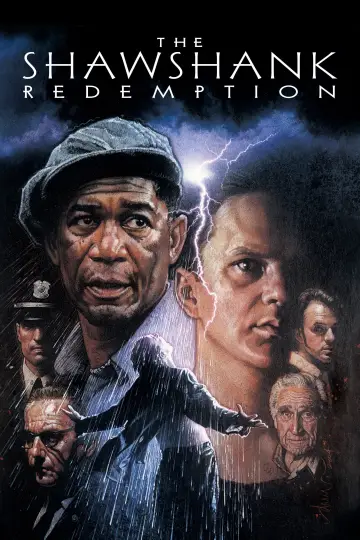
9.2/10
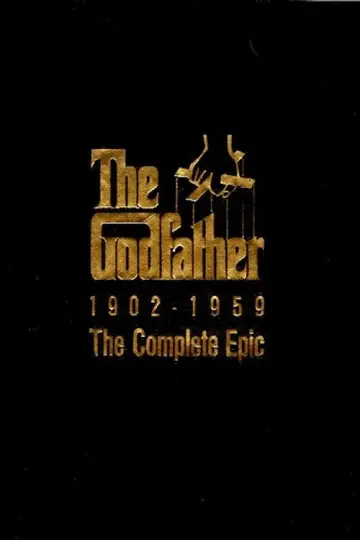
9/10
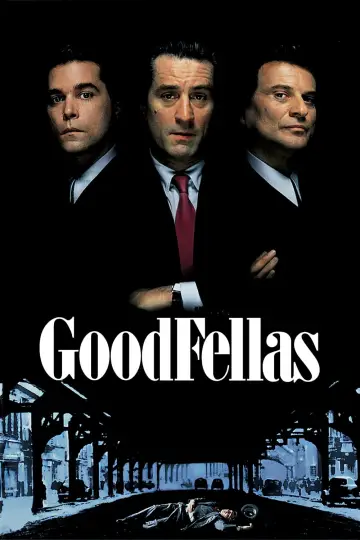
8.6/10
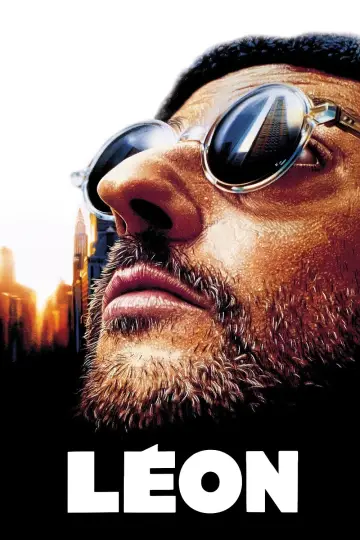
8.6/10
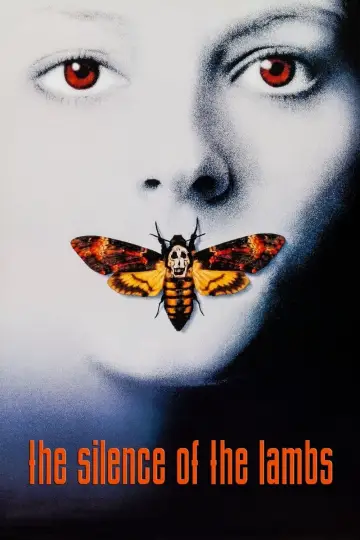
8.5/10
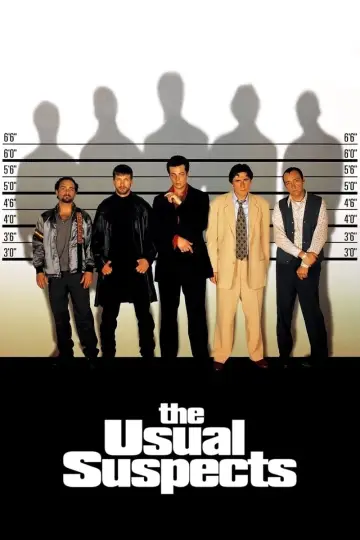
8.4/10
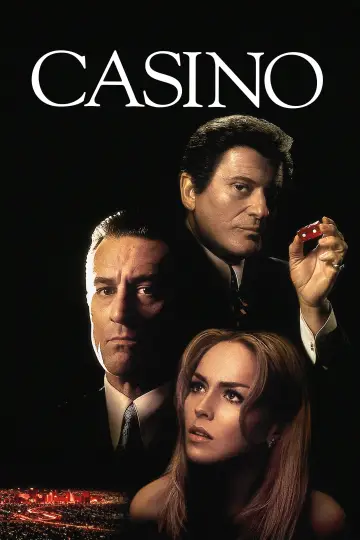
8.2/10
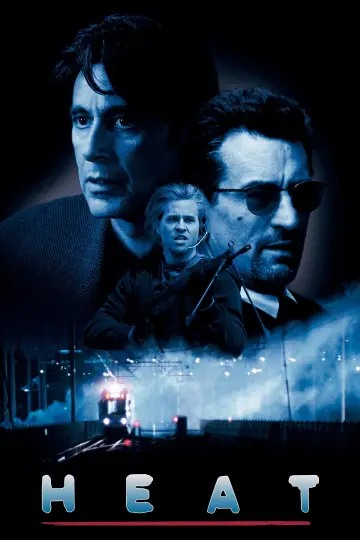
8.2/10
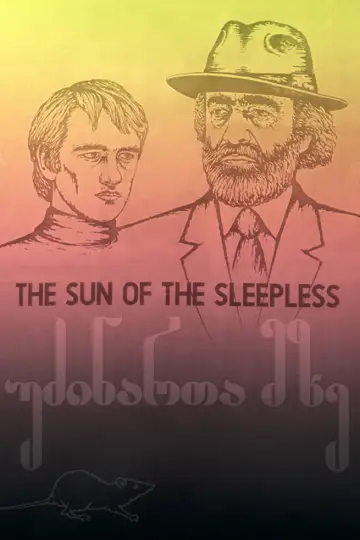
8.2/10
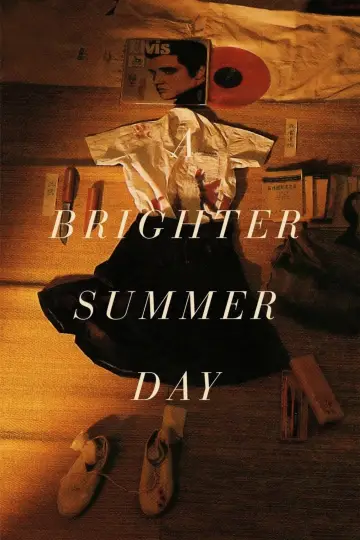
8.1/10


 Auditions in India
 Casting calls in USA
 Castingi w Polsce
 Кастинги в Україні
