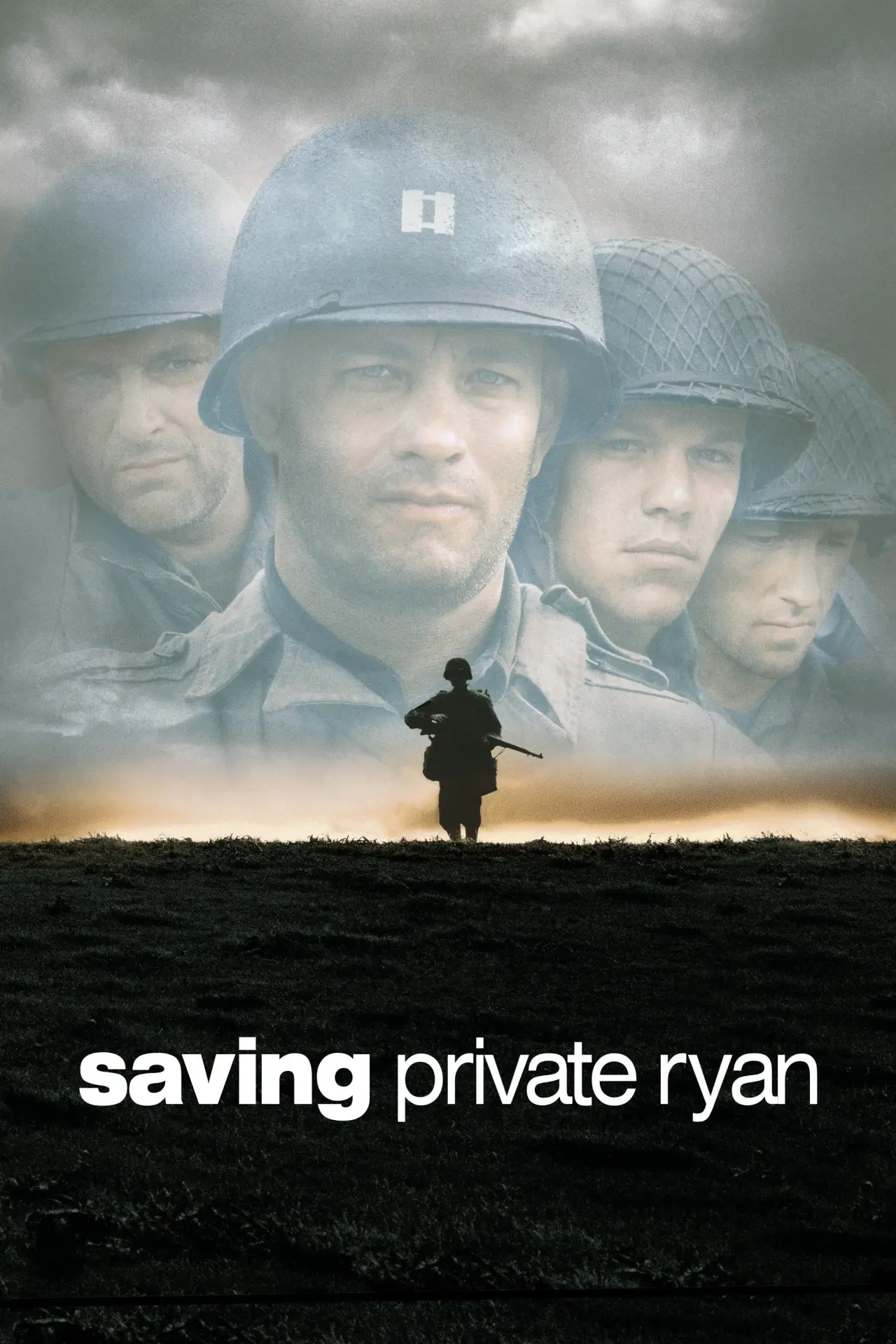
Saving Private Ryan
The mission is a man.




Country
Production
Budget
$70 000 000
Box office
$481 840 909
Director
Actors
Scenario
Robert Rodat
Producer
Gary Levinsohn, Steven Spielberg, Mark Gordon, Ian Bryce
Camera operator
Composer
Artist
Thomas E. Sanders, Kevin Kavanaugh
Audition
Denise Chamian
Editing
Short description
As U.S. troops storm the beaches of Normandy, three brothers lie dead on the battlefield, with a fourth trapped behind enemy lines. Ranger captain John Miller and seven men are tasked with penetrating German-held territory and bringing the boy home.
What's left behind the scenes
- Camouflaged T-34-85 tanks were used as PzKpfw VI "Tiger" tanks in the film, which is noticeable due to the characteristic design of the tanks' running gear.
- Actual amputees were cast for the scenes in which soldiers lose their arms and legs.
- In the original version of the script, the speech given by Tom Hanks' character to the other members of the combat unit was much longer (in it, the character describes what he is willing to do to return home). Hanks himself objected, stating that his character should not be so long-winded. Spielberg agreed, and the monologue was significantly cut.
- For the filming of the first scene of the film, the actors’ equipment was made of wood, as it was too difficult to carry metal on them for an endless number of takes.
- Harrison Ford and Mel Gibson were contenders for the lead role before Tom Hanks.
- The last film edited 'in the old-fashioned way,' without the use of digital technology, became a winner at the Oscars ceremony in the 'Best Editing' category.
- Before Tom Hanks, Harrison Ford and Mel Gibson were considered for the lead role.
- Edward Norton was invited to play the role of Private Ryan.
- Edward Norton was considered for the role of Private Ryan.
- The film is based on true events that happened to the Niland brothers during World War II.
- The film was banned from release by Indian censors due to an excessive number of violent scenes. Consequently, Spielberg was asked to cut the most brutal moments from the Indian version of the movie. However, to the surprise of the Indian distributors, Steven refused and suggested that India scrap the release entirely. Realizing the gravity of the situation, the Prime Minister of India decided to watch the film himself; deeply moved by what he saw, he decided to release the original, uncut version in the country's cinemas.
- The film depicts 206 corpses.
- Due to certain circumstances, the majority of the filming was moved from the UK to Ireland. The British Ministry of Defence refused to provide the film crew with the necessary assistance by providing their soldiers as extras. It was then that Irish soldiers (about 250 people) came to Spielberg's rescue.
- All the leading actors were required to undergo military training for several days; the only exception was Matt Damon, who, despite the surname of his character suggesting otherwise, was ultimately assigned a supporting role.
- The film was shot in Ireland, the United Kingdom, and France.
- Although Steven Spielberg intentionally reduced the film's color saturation by about 60%, reflecting the era before color television existed, two of America's leading cable companies (DirecTV and Dish) restored the original colors when broadcasting the film on their channels. After the first two days of airing, the channels' support centers were flooded with calls from dissatisfied viewers complaining about the lack of color in the image.
- Many war veterans expressed their gratitude to Steven Spielberg, who, in their opinion, made an authentic film. It was they who advised Steven to show numerous naturalistic moments in the footage, thereby bringing the narrative closer to real events.
- Director Steven Spielberg began considering Matt Damon for the project after watching "Courage Under Fire," but for a long time, he considered the actor too thin. Through the suggestion of Robin Williams, Spielberg met Damon on the set of "Good Will Hunting" and changed his opinion.
- The last film edited 'the old-fashioned way,' without the use of digital technologies, to win the Oscar for Best Film Editing.
- In Singapore, the film received an unprecedented NC-16 rating (for ages 16 and up). On one hand, the movie was quite violent, which ruled out a PG rating; on the other, there was no hint of sexual themes, meaning an R rating was also inapplicable. Thus, a compromise rating was found.
- All leading actors were required to undergo army training for several days; an exception was made only for Matt Damon, who, despite his character's name being in the title, was nonetheless cast in a supporting role.
- In one episode, Apheam (Jeremy Davies) is reprimanded for saluting his commander (Tom Hanks), thereby indicating him to snipers. In 'Forrest Gump' (1994), Tom Hanks' character was punished in a similar situation.
- In the game "Call of Duty: World at War", the first mission features a mini-reference to this film. A burning Japanese soldier attacks a Private Ryan.
- In Singapore, the film received an unprecedented NC-16 rating (ages 16 and up). On the one hand, the film was quite violent, which ruled out a PG rating; on the other hand, there was no sexual content whatsoever, which meant an R rating was also not possible. A compromise rating was then found.
- Director Steven Spielberg began considering Matt Damon for the project after seeing the film 'Saving Private Ryan,' but for a long time, he considered the actor too scrawny. Through the introduction of Robin Williams, Spielberg met Damon on the set of 'Good Will Hunting' and changed his mind.
- The role of Caparzo was written specifically for Vin Diesel after Spielberg reviewed the actor's previous work.
- Despite the fact that Steven Spielberg intentionally reduced the color saturation of the film by approximately 60%, relying on the fact that the action of the film takes place in a time when color television did not yet exist, two leading American cable companies (DirecTV and Dish) restored the original colors when showing the film on their channels. After the first two days of broadcast, the support centers of these channels were flooded with calls from dissatisfied citizens complaining about the lack of color in the transmitted picture.
- The film was not allowed to be released by Indian censors due to the excessive number of violent scenes. Because of this, Spielberg was asked to cut the most brutal moments from the Indian version of the film. However, to the surprise of Indian distributors, Steven refused and offered India to forgo the release altogether. Understanding the seriousness of the situation, the Prime Minister of India decided to watch the film himself and, deeply moved by what he saw, decided to release the original, uncut version in the country.
- Due to circumstances, the main part of the film's shooting was moved from the territory of Great Britain to Irish lands. The British Ministry of Defence refused to provide the film crew with the necessary assistance, offering its soldiers as extras. It was then that Irish soldiers (about 250 people) came to Spielberg’s rescue.
- For the filming of the movie's first scene, the actors' gear was made of wood, as carrying metal during an endless number of takes was too heavy.
- Real disabled people were invited to film the scenes where soldiers have their arms and legs torn off.
- The film is based on real events that happened to the Niland brothers during World War II.
- In the original script, Tom Hanks' character's speech to the other members of the combat unit was much longer (in it, the hero talks about what he is willing to do to return home). Hanks objected, stating that his character should not talk so much. Spielberg agreed, and the monologue was significantly cut down.
- Many war veterans expressed their gratitude to Steven Spielberg for creating what they considered to be an authentic film. It was they who advised Spielberg to include numerous naturalistic moments on screen to bring the narrative closer to the actual events.
Similar movies
8.3/10
8.2/10
8.2/10
8.1/10
8.1/10
8/10
8/10
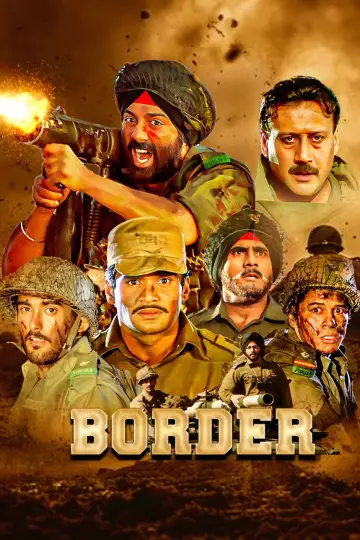
8/10
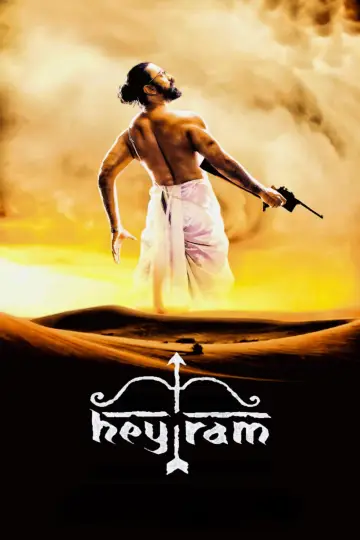
8/10
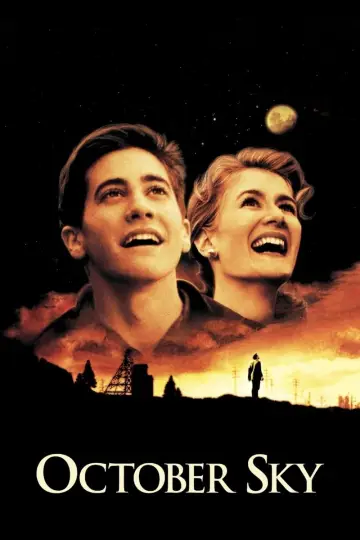
7.9/10


 Auditions in India
 Casting calls in USA
 Castingi w Polsce
 Кастинги в Україні
