Manhattan
Woody Allen's New Comedy Hit



Country
Budget
$9 000 000
Box office
$39 949 579
Director
Actors
Woody Allen, Diane Keaton, Michael Murphy, Mariel Hemingway, Meryl Streep, Anne Byrne Hoffman, Karen Ludwig, Michael O'Donoghue, Gary Weis, Kenny Vance
All actors and roles (10)
All actors and roles (10)
Scenario
Producer
Charles H. Joffe, Robert Greenhut, Jack Rollins
Camera operator
Composer
Artist
Mel Bourne
Audition
Juliet Taylor
Editing
Susan E. Morse
Whole Team (46)
Whole Team (46)
Short description
Manhattan explores how the life of a middle-aged television writer dating a teenage girl is further complicated when he falls in love with his best friend's mistress.
What's left behind the scenes
- According to Woody Allen, the idea to make this film came from his love of George Gershwin's music, just as he was listening to one of his albums of overtures.
- Meryl Streep filmed all of her scenes during breaks from filming Robert Benton's drama 'Kramer vs. Kramer'.
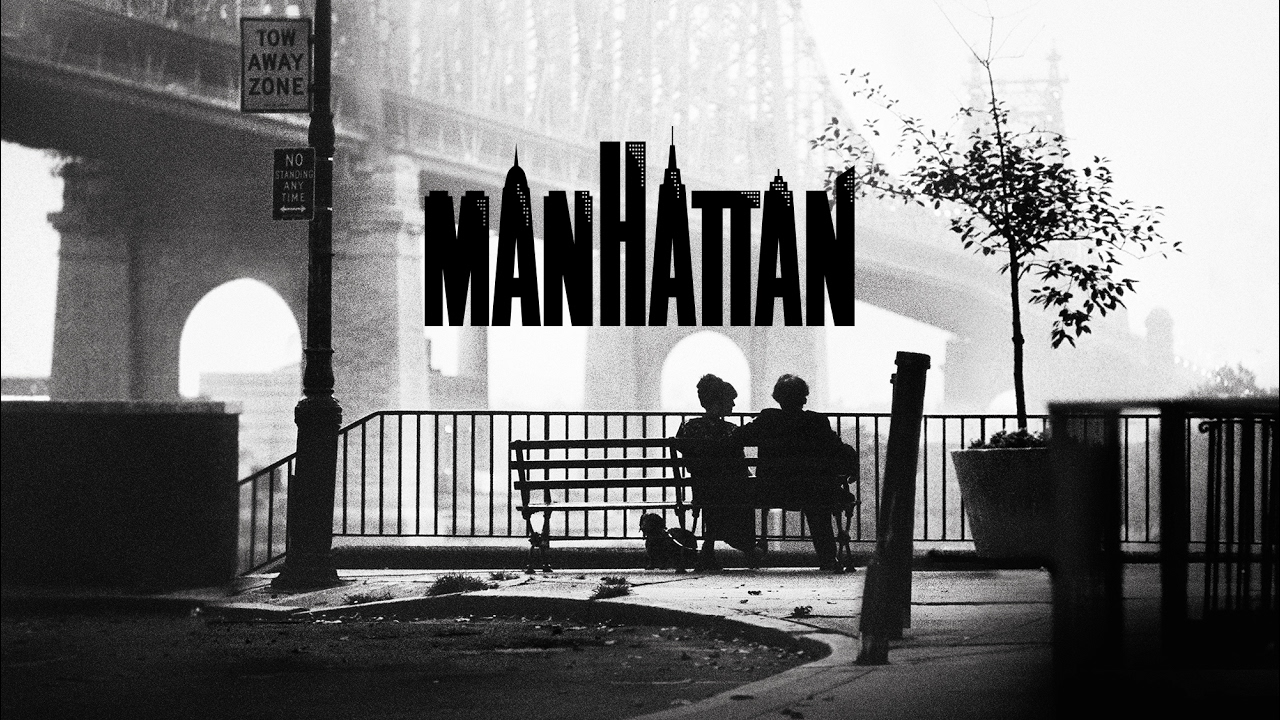
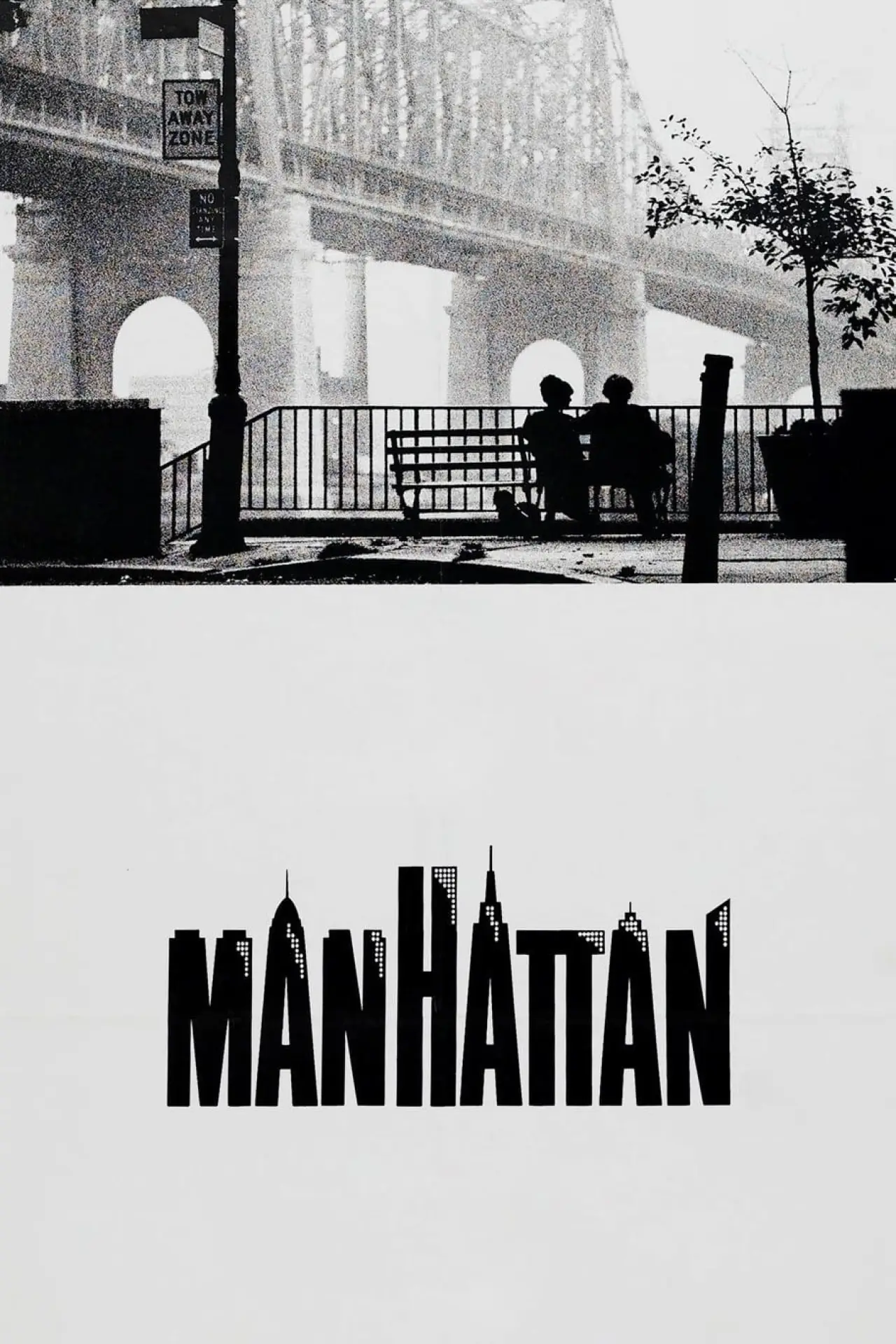
- The famous bridge was filmed at 5 a.m. A garden bench had to be brought in because there were no benches on site. The bridge was lit by two rows of lamps controlled by a timer managed by the city authorities. The lamps were turned off at sunrise. Cinematographer Gordon Willis reached an agreement with the city administration to keep the lights on until filming was complete. As the scene began, one row of lights went out; director Woody Allen was ultimately forced to use that specific take.
- According to cinematographer Gordon Willis, this film is his best work.
- Meryl Streep filmed all scenes involving her character during breaks in Robert Benton's filming of the drama 'Kramer vs. Kramer' (1979).
- According to Woody Allen, the idea to make this film was born from his love of George Gershwin's music, specifically while he was listening to one of the albums of overtures.
- Woody Allen disliked the resulting film so much that he offered the studio bosses to direct any movie for them for free on the condition that they shelf 'Manhattan'. They refused, and the released film became a hit both at the box office and with audiences and critics. Even though it has acquired cult status over the years and consistently ranks among the top entries in numerous lists of Woody Allen's best films, the director considers it his worst work: 'To this day, when I think back to 'Manhattan', I wonder: is this all I was capable of back then? I don't understand how they even continued to give me money for movies after that.'
- The famous bridge was filmed at 5 a.m. A garden bench had to be brought in, as there were no benches on site. The bridge was illuminated by two rows of lanterns controlled by a timer, the operation of which was the responsibility of the city authorities. The lanterns were switched off at sunrise. Cinematographer Gordon Willis (1931-2014) arranged with the city administration not to turn off the lanterns until filming was completed, and then they could be switched off. Filming of the scene began, and one row of lanterns went out; director Woody Allen was ultimately forced to use this take with only one row of lit lanterns.
- Meryl Streep filmed all her scenes during breaks in Robert Benton's filming of the drama "Kramer vs. Kramer".
- Woody Allen disliked the finished film so much that he offered the studio bosses to film any film for them for free, on the condition that they shelve "Manhattan." They refused, and the released film became a hit both at the box office and with audiences and critics. Even though it has gained a cult status over the years and consistently ranks among the top films in numerous lists of Woody Allen's best works, the director considers it his worst: "To this day, when I think about "Manhattan," I wonder: is that all I was capable of then? I don't understand how they didn't stop giving me money for films after that."
- According to Woody Allen, the idea to make this film was born out of his love for the music of George Gershwin (1898-1937), just as he was listening to one of his albums of overtures.
- The famous bridge was filmed at 5 a.m. A garden bench had to be brought in, as there were no benches on location. The bridge was illuminated by two rows of lanterns controlled by a timer, the operation of which was the responsibility of the city authorities. The lanterns were turned off at sunrise. Cinematographer Gordon Willis arranged with the city administration not to turn off the lanterns until filming was complete. Filming of the scene began, and one row of lanterns went out; director Woody Allen was ultimately forced to use that take.
Similar movies
8.6/10
8.2/10
8.1/10
7.9/10
7.9/10
7.8/10
7.8/10
7.8/10
7.7/10

7.7/10


 Auditions in India
 Casting calls in USA
 Castingi w Polsce
 Кастинги в Україні
