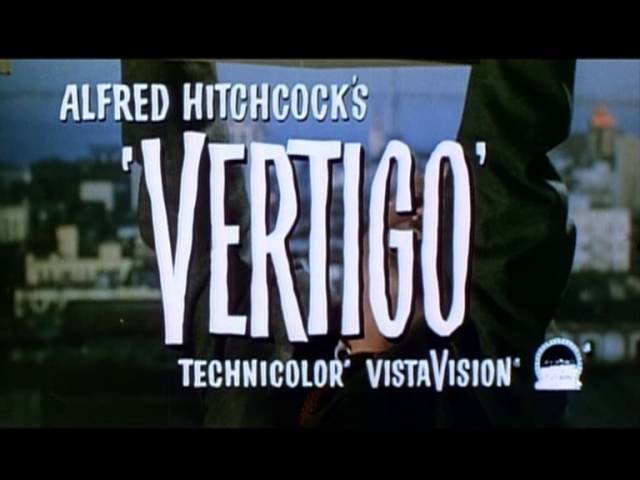
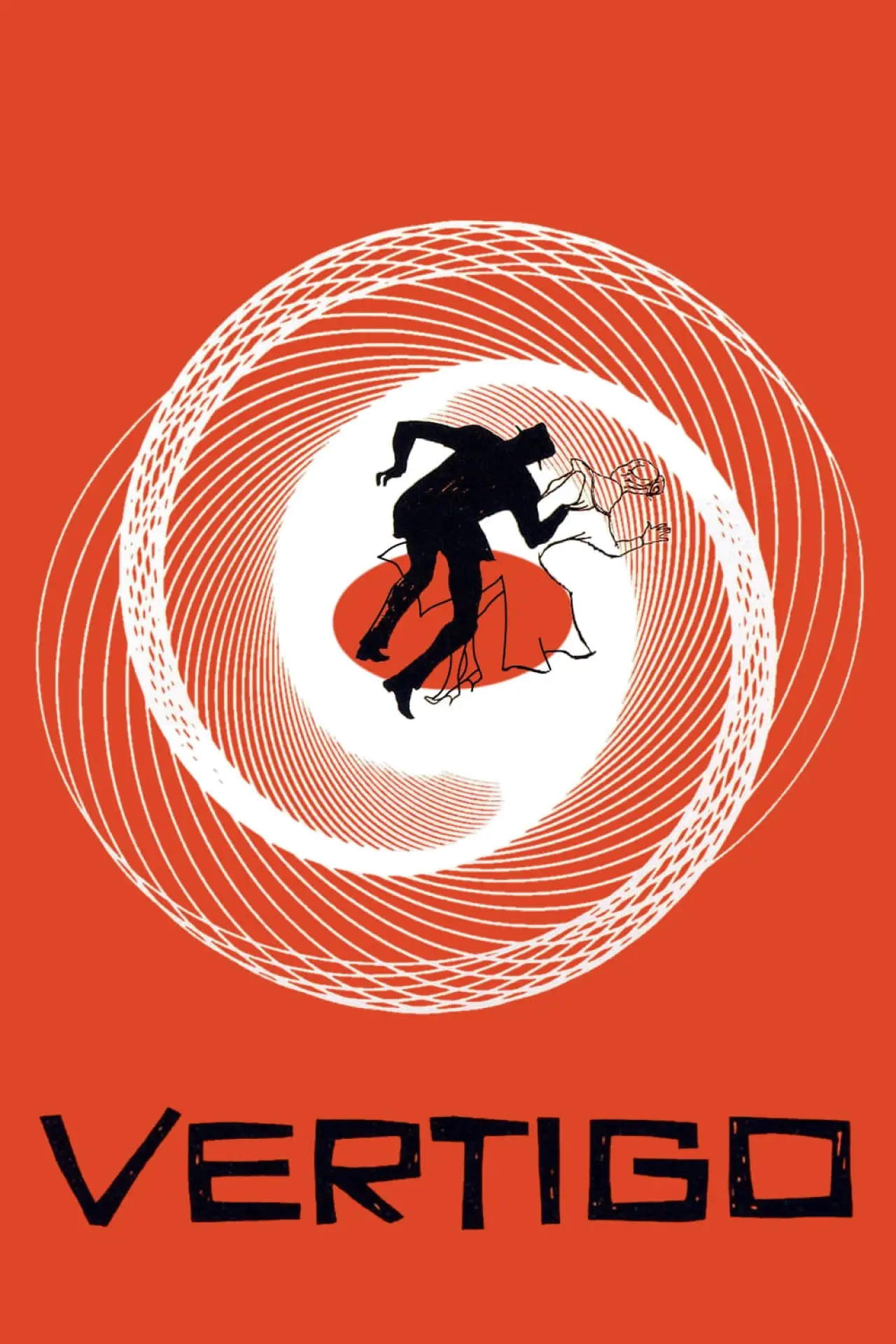
Vertigo
Alfred Hitchcock engulfs you in a whirlpool of terror and tension!



Country
Production
Budget
$2 479 000
Box office
$7 329 680
Director
Actors
Scenario
Producer
Camera operator
Composer
Artist
Audition
Editing
Short description
A retired San Francisco detective suffering from acrophobia investigates the strange activities of an old friend's wife, all the while becoming dangerously obsessed with her.
What's left behind the scenes
- The tower of the Mission San Juan Bautista seemed insufficiently impressive to Hitchcock, so a replica of the desired height was built in the studio. The staircase scenes were also filmed in a studio pavilion.
- The film is based on the novel 'D'entre les morts' (1954), co-written by Pierre Boileau and Thomas Narcejac.
- From a cinematography standpoint, the most difficult part was achieving the famous 'dizziness' shot when Scottie looks down the stairs. Vertical filming required the use of a lift, which cost an unthinkable amount of money. 'Why not make a model of the stairs, lay it on its side, and film while moving away from it? We can do without any lift,' Hitchcock reasoned. The combination of optical zoom and a dolly-out shot, used for the first time in this scene, became known in cinematography as the Vertigo effect. The space simultaneously appears to approach and recede, as if obeying the logic of a nightmare.
- Hitchcock's cameo — at the beginning of the film, he walks down the street in a gray suit.
- For the role of Madeleine, Hitchcock planned to cast Vera Miles, but she was forced to decline due to pregnancy.
- Madeline's light grey suit was chosen with psychological discomfort in mind (blondes almost never wear this color).
- During filming, Hitchcock and Kim Novak had a very strained relationship. Firstly, Hitchcock considered Vera Miles the ideal Madeleine, and Novak was imposed on him by the studio bosses. Secondly, Kim periodically gave Hitchcock advice, which the director disliked.
- Filming took place from September 30, 1957, to December 19, 1957.
- The film is based on the novel “From the Dead” (D'entre les morts, 1954), co-written by Pierre Boileau and Thomas Narcejac.
- To emphasize Judy's earthy vulgarity, Kim Novak did not wear a bra during filming.
- The film was received coldly by both critics and audiences. Devastated, Hitchcock blamed the failure on lead actor James Stewart, stating that he had exhausted himself and that his best years were behind him. Hitchcock never cast Stewart in his films again, despite him previously being considered the director's favorite.
- The screenplay for the film, initially titled Darkling I Listen, was commissioned from the renowned playwright Maxwell Anderson. Hitchcock was dissatisfied with the result and turned to professional screenwriter Alec Coppel for help. The version of the script he proposed also ended up in the trash. Samuel Taylor prepared the third draft, who was recommended to Hitchcock as an expert on the topography of San Francisco. Despite Taylor's objections, Coppel managed to prove that his work was retained in the final script. Both are credited as screenwriters in the credits.
- Hitchcock planned to cast Vera Miles in the role of Madeleine, but she was forced to decline due to pregnancy.
- Vertigo is the fourth and last collaboration between Alfred Hitchcock and James Stewart.
- Hitchcock's cameo – he walks down the street in a grey suit at the beginning of the film.
- This is the first Hitchcock film to be included in the National Film Registry (during its very first year of existence).
- A postscript to the film was also shot, banned by European censorship, but not included in the original American version. In it, we see John, more or less recovered, listening with Midge to a report about the capture of Gavin Elster in Europe.
- The screenplay for the film, with the working title Darkling I Listen, was entrusted to the renowned playwright Maxwell Anderson. Hitchcock was dissatisfied with the result and sought help from professional screenwriter Alec Coppel. The script version he proposed was also thrown in the trash. A third version was prepared by Samuel Taylor, who was recommended to Hitchcock as an expert on San Francisco topography. Despite Taylor's objections, Coppel managed to prove that his contributions remained in the final script. Both are credited as screenwriters in the titles.
- From the point of view of cinematography, the most difficult thing was to obtain the famous “dizzying” shot when Scotty looks down the stairs. Vertical shooting required the use of a lift, which cost an incredible amount of money. “Why not make a model of the stairs, lay it on its side, and shoot by moving away from it? You can do without any lift,” Hitchcock reasoned. The combination of optical zoom with camera tracking, first used in this scene, received the name the Vertigo effect in cinematography. The space at the same time simultaneously approaches and moves away, as if obeying the logic of a nightmare.
- The idea of Hitchcock revealing the circumstances of Madeleine’s death in an unsent letter (almost in the middle of the film) sparked long debates among the film’s creators. This was a significant departure from the book and script. The “Master of Suspense” was convinced that genuine tension arises only when the audience knows slightly more than the protagonist. At Hitchcock’s insistence, both versions of the film were presented to studio management for consideration, with the version containing the unsent letter receiving the “green light” at the very last moment.
- The rights to the film were bought back by the director himself and constituted his daughter's inheritance, so new generations of viewers only saw this film in 1985.
- This is the first Hitchcock film to be included in the National Film Registry (and in its very first year of existence).
- During filming, Hitchcock and Kim Novak had a very strained relationship. Firstly, Hitchcock considered Vera Miles to be the ideal performer for Madeleine, while Novak was pushed upon him by studio bosses; secondly, Kim occasionally gave Hitchcock advice, which the director disliked.
- To emphasize Judy's down-to-earth vulgarity, Kim Novak did not wear a bra during filming.
- 'Vertigo' was the fourth and final collaboration between Alfred Hitchcock and James Stewart.
- Hitchcock's idea to reveal the circumstances of Madeleine's death in an unsent letter (practically in the middle of the film) sparked long disputes among the filmmakers. This was a significant departure from the book and the screenplay. The "Master of Suspense" was convinced that true tension arises only when the viewer knows slightly more about what is happening than the main character does. At Hitchcock's insistence, both versions of the film were submitted to the studio management for consideration, and the version with the unsent letter was given the "green light" at the very last moment.
- Hitchcock found the Mission San Juan Bautista tower insufficiently impressive, so a replica of the desired height was built on the studio lot. The scenes on the staircase were also filmed in a studio pavilion.
- In 1983, after cleaning and restoration, the film was re-released for the first time in theaters on 35mm film with stereo sound. In 1996, “Vertigo” was re-released after a lengthy restoration that sparked much controversy. Under the direction of Robert Harris and James Katz, the color palette was adjusted and virtually the entire soundtrack was re-recorded in DTS. The key emerald-green hue for understanding the film was recreated based on an enamel sample from Madeleine’s car, obtained from the Ford Motor Company archives. Despite the meticulousness of the restoration, it had its detractors, who accused Katz and Harris of distorting the director’s vision.
- The film was met with a cold reception from both critics and audiences. A devastated Hitchcock blamed the failure on the lead actor, James Stewart, saying that he had exhausted himself and his best years were behind him. Hitchcock never filmed Stewart in his films again, although he had previously considered him a favorite.
Similar movies
8.3/10
8.1/10
8/10
7.9/10
7.7/10
7.7/10
7.5/10
7.4/10
7.4/10
7.4/10


 Auditions in India
 Casting calls in USA
 Castingi w Polsce
 Кастинги в Україні
