The Witch
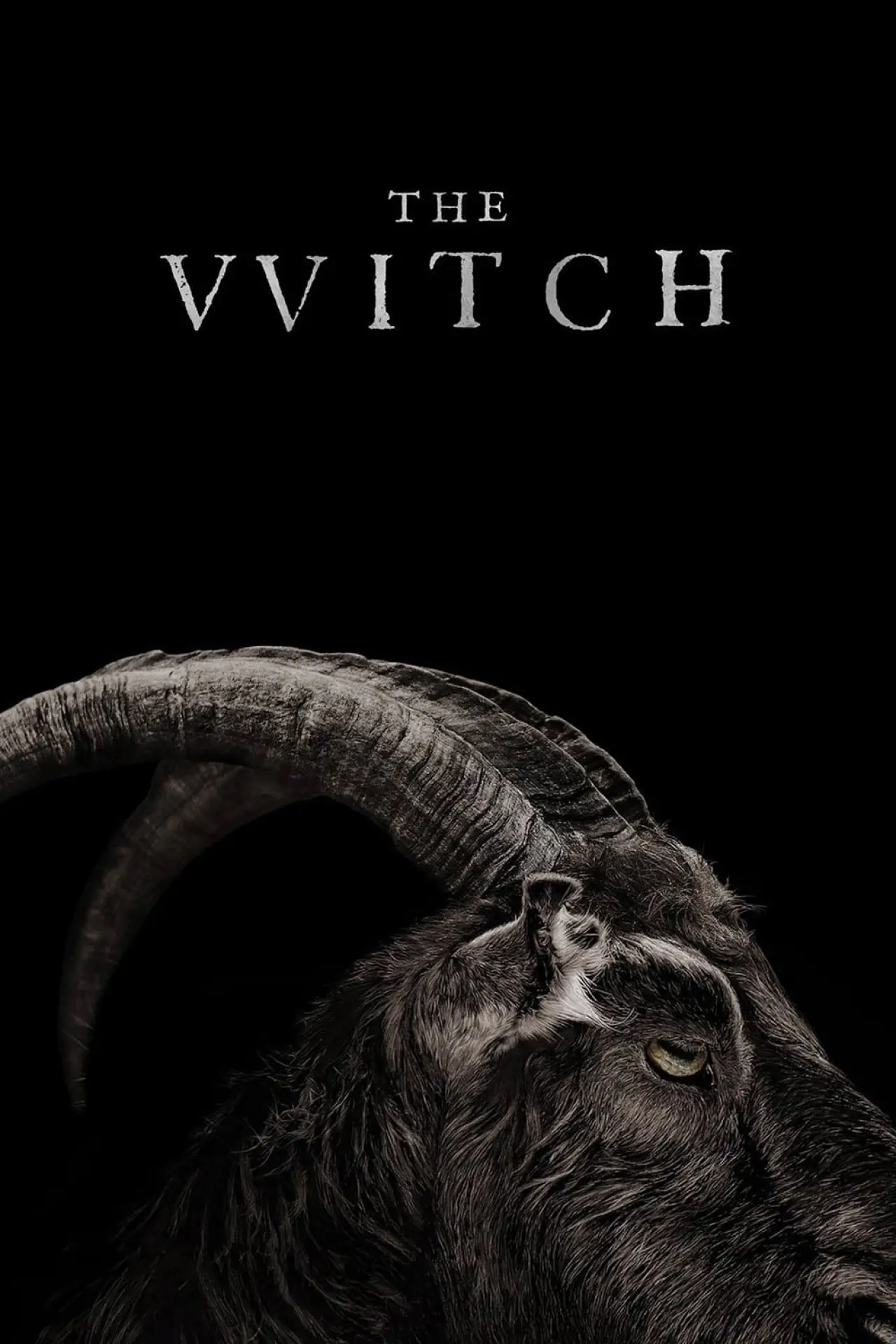
Evil takes many forms.



Country
Production
Budget
$4 000 000
Box office
$40 423 945
Website
Director
Actors
Anya Taylor-Joy, Ralph Ineson, Kate Dickie, Harvey Scrimshaw, Ellie Grainger, Lucas Dawson, Julian Richings, Bathsheba Garnett, Sarah Stephens, Daniel Malik
All actors and roles (10)
All actors and roles (10)
Scenario
Producer
Lars Knudsen, Jay Van Hoy, Rodrigo Teixeira, Jodi Redmond, Daniel Bekerman, Chris Columbus, Eleanor Columbus, Alexandra Johnes, Thomas Benski, Lucas Ochoa
Camera operator
Composer
Artist
Craig Lathrop
Audition
Editing
Louise Ford
Whole Team (124)
Whole Team (124)
Short description
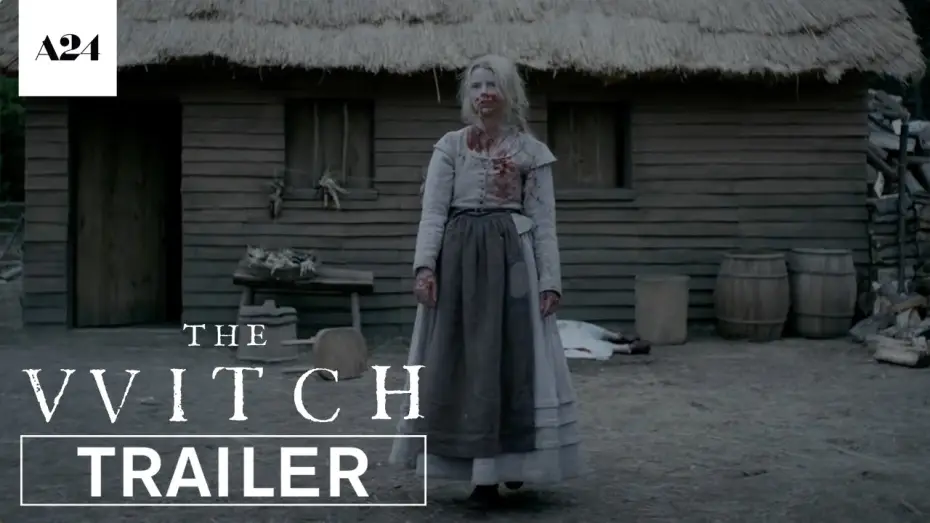
In 1630, a farmer relocates his family to a remote plot of land on the edge of a forest where strange, unsettling things happen. With suspicion and paranoia mounting, each family member's faith, loyalty and love are tested in shocking ways.
What's left behind the scenes
- Filming took 25 days.
- The filmmakers intended to include more scenes with a goat nicknamed Black Philip, but the animal proved insufficiently trained, and the idea had to be abandoned.
- The word “VVitch” in the film's title is spelled as it was in the early 17th century, the period in which the film is set. At that time, the letter “W” (today the word “witch” is spelled that way) had not yet become widespread.
- The film was shot in a 1.66:1 aspect ratio. This format specifically makes the house seem more cramped and the trees taller. Additionally, it allowed the entire family to be captured in a single frame.
- The Church of Satan, a public and religious organization, supported the film's production and organized several screenings. Its representative, Jex Blackmore, spoke highly of the film, calling it "an impressive example of delving into the essence of Satanism," which, in his opinion, would be beneficial for modern society and religious discussions within it.
- During the period depicted in the film, it was widely believed that a witch was unable to recite the "Our Father." This explains the characters' reaction to the inability of the characters played by Ellie Grainger and Lucas Dawson to finish the prayer.
- The scene of Caleb's death (played by Harvey Scrimshaw) and the reaction to it by Mercy and Jonas (played by Ellie Grainger and Lucas Dawson, respectively) are based on surviving records of the Salem witch trials, which allowed for testimony about spectral evidence. Witnesses claimed to be tormented by the spirit of a witch taking the form of a bird or animal, or even a person. These torments manifested as pinches, needle pricks, bites, scratches, someone sitting on a person’s chest preventing them from breathing, choking if they tried to pray, and inducing fits (as all of this is shown in the film).
- Writer Stephen King, often called a master of horror, admitted that watching the film terrified him.
- According to screenwriter and director Robert Eggers, he did not tell Harvey Scrimshaw how to play Caleb in the most challenging scenes. He was guided by Ralph Ineson, who played William. At the time, Eggers himself did not have children, while Ineson had two, so he knew how to interact with them and observed on set how difficult it was for Eggers to explain to Scrimshaw exactly what was required.
- Filming of the movie was organized on the stage of a theater in the estate of A.P. Chekhov in Melikhovo.
- According to director Robert Eggers, he was most often asked if any inexplicable events occurred during the filming of the movie. Eggers always answered this question negatively.
- The film owes a significant portion of its dialogue and plot twists to surviving written records from the 17th century.
- The film is based on the short story of the same name by A.P. Chekhov.
- Witches are said to speak Enochian, a language created by the English mathematician, geographer, astronomer, alchemist, and astrologer John Dee (1527-1609).
- This was the first film in Anya Taylor-Joy’s career where her last name appeared in the credits.
- Director Robert Eggers revealed in an interview that of all the animals involved in the film, the rabbit was the best trained, and that it was also easy to work with the raven and the horse.
- The film was shot in a 1.66:1 aspect ratio, which is a rather rare screen format (the height of the frame is reduced for projection with a short-focus lens onto a large screen). This format is precisely what makes the house seem more cramped than it actually was, and the trees—taller. Furthermore, it allowed the entire family to be captured in a single shot.
- The film was shot primarily using natural lighting.
- Anya Taylor-Joy was the first actress Robert Eggers auditioned when casting the film.
- Robert Eggers' directorial debut in a feature film. Before this, he had only made short films and once wrote a screenplay (for this very film). Without informing him, editor Louise Ford passed the screenplay to producers Lars Knudsen and Jay Van Hoy, with whom she was working at the time. Learning about this, Eggers was horrified because he considered the screenplay raw, but it turned out that the producers liked it. They only suggested that Eggers simplify the screenplay's structure, which initially was divided into five parts, each told from the perspective of a family member. It took four years to secure funding for the project.
- The film owes a significant part of its dialogue to surviving written records from the 17th century.
Similar movies
8.4/10
8.4/10
8.4/10
8.4/10
8.3/10
8.2/10
8.2/10
8.2/10
8.1/10
8.1/10


 Auditions in India
 Casting calls in USA
 Castingi w Polsce
 Кастинги в Україні
