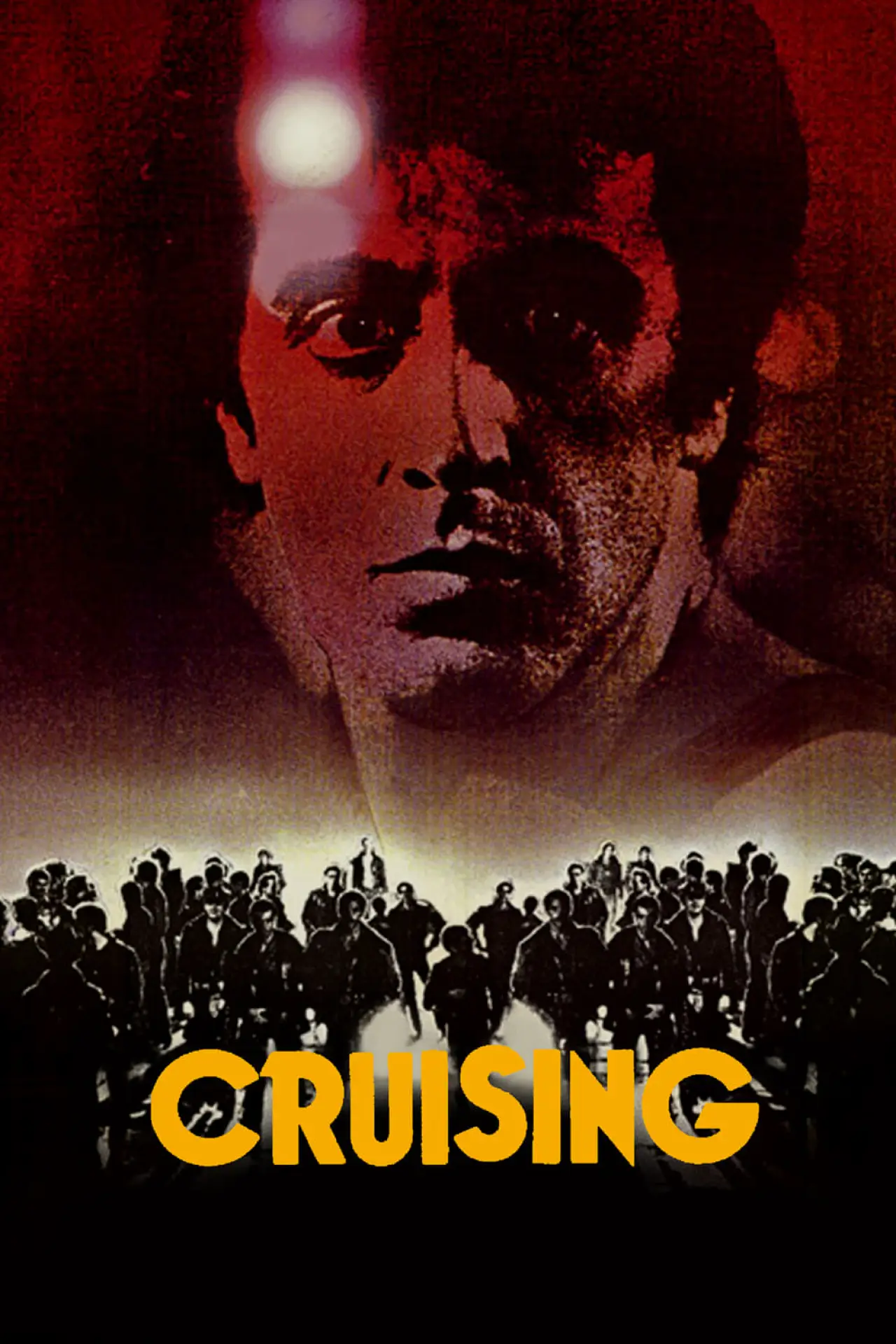
Cruising
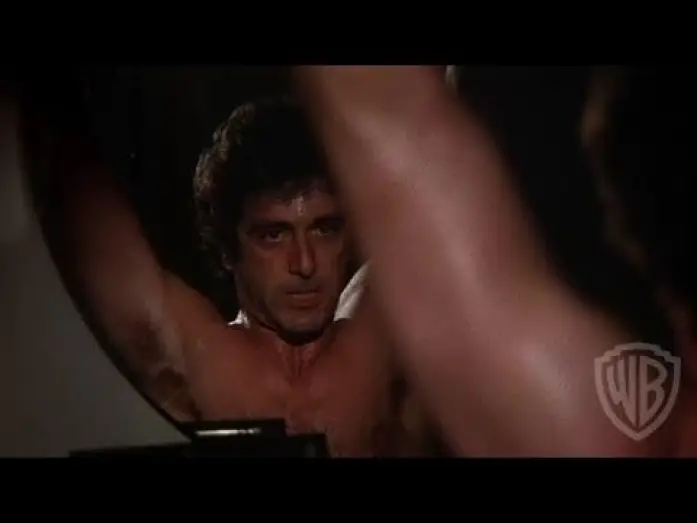
Al Pacino is Cruising for a killer.



Country
Production
Budget
$11 000 000
Box office
$19 784 223
Director
Actors
Al Pacino, Paul Sorvino, Karen Allen, Richard Cox, Don Scardino, Joe Spinell, Jay Acovone, Gene Davis, Randy Jurgensen, Barton Heyman
All actors and roles (10)
All actors and roles (10)
Scenario
Producer
Camera operator
James A. Contner
Composer
Artist
Bruce Weintraub
Audition
Louis DiGiaimo
Editing
Bud S. Smith
Whole Team (32)
Whole Team (32)
Short description
When New York is caught in the grip of a sadistic serial killer who preys on patrons of the city's underground bars, rookie cop Steve Burns infiltrates the S&M subculture to try and lure him out of the shadows.
What's left behind the scenes
- To realistically portray the world of “leather” bars frequented by gay masochists, the filmmakers, including William Friedkin and Al Pacino themselves, visited such bars in New York.
- Filming was accompanied by protests from LGBTQ+ activists who disrupted the production in every way possible – thousands of them chanted slogans, whistled, and shouted, making location shooting impossible.
- William Friedkin initially refused the director's chair, but later changed his mind.
- Friedkin originally intended to shoot the film in black and white.
- The initial screenings of the film were extremely negative.
- The film's producer, Jerry Weintraub, bought the rights to adapt Gerald Walker's novel of the same name in the year of its publication, despite the book not being a commercial success.
- The film had significant problems getting a rating. Ultimately, Friedkin managed to secure an 'R' rating, which wasn't particularly successful commercially.
- The film features unusual music. This is due to the fact that the film's composer, Jack Nitzsche, used sounds not produced by musical instruments, but, for example, the friction of two pieces of glass, when recording the soundtrack.
- According to many of the actors and the film's producer, Jerry Weintraub, they still don't know who the killer is.
- To realistically depict the world of BDSM gay bars, the filmmakers, including William Friedkin and Al Pacino, visited such bars in New York.
- Filming was accompanied by protests from members of the gay community, who interfered in every way possible – chanting slogans, whistling, and shouting, thereby making location shooting impossible.
- Friedkin planned to shoot the film in black and white.
- The film's producer, Jerry Weintraub, bought the rights to adapt Gerald Walker's novel of the same name in the year of its release, despite the book not having significant commercial success.
- To realistically depict the world of BDSM gay bars, the filmmakers—specifically William Friedkin himself and Al Pacino—visited such bars in New York.
- William Friedkin initially turned down the director's chair, but later changed his mind.
- Friedkin planned to shoot the film on black-and-white film.
- The film's producer, Jerry Weintraub, bought the screen rights to Gerald Walker's novel of the same name in the year of its release, despite the fact that the book had not achieved great commercial success.
- The film is distinguished by its unusual music. Composer Jack Nitzsche used sounds produced not by musical instruments, but, for example, by rubbing two pieces of glass together.
- According to many of the actors and the film's producer Jerry Weintraub, they do not know who the killer is.
Similar movies
8.7/10
8.5/10
8/10
8/10
7.7/10
7.6/10
7.4/10
7.4/10
7.4/10
7.4/10


 Auditions in India
 Casting calls in USA
 Castingi w Polsce
 Кастинги в Україні
