Sleepy Hollow
Heads will roll.



Country
Production
Budget
$100 000 000
Box office
$206 071 502
Director
Actors
Scenario
Producer
Scott Rudin, Adam Schroeder, Francis Ford Coppola, Larry J. Franco
Camera operator
Composer
Artist
Rick Heinrichs, Julian Ashby, Gary Tomkins
Audition
Susie Figgis, Ilene Starger
Editing
Short description
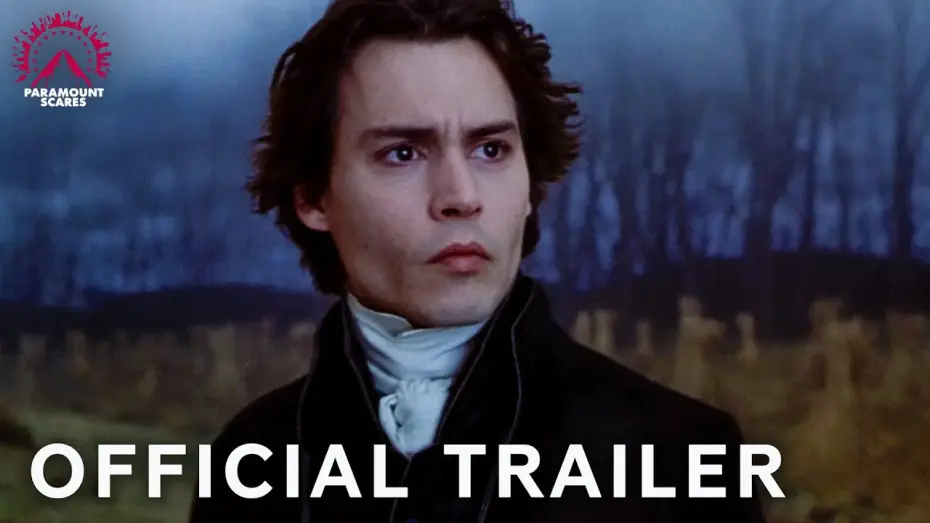
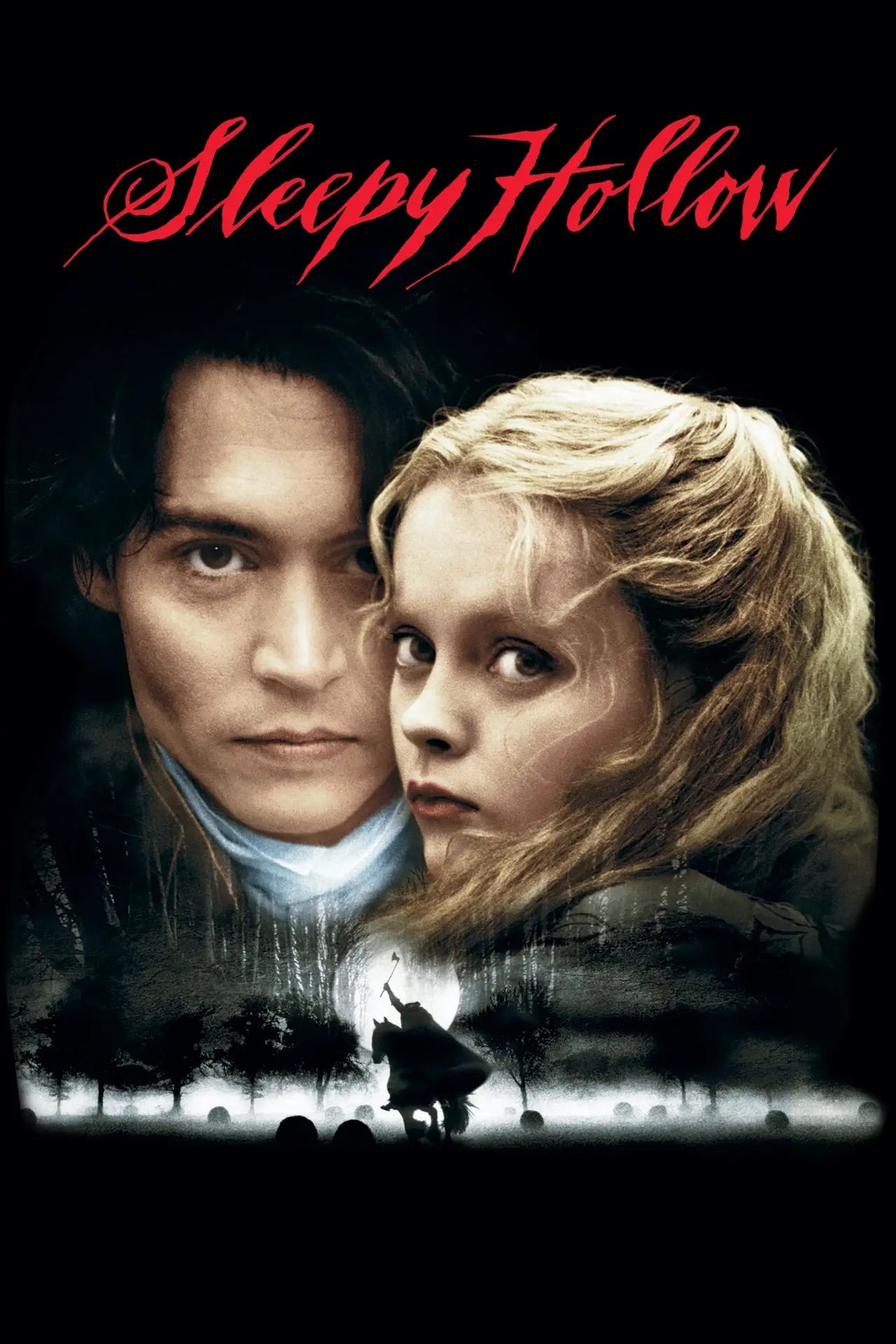
Skeptical young detective Ichabod Crane gets transferred to the hamlet of Sleepy Hollow, New York, where he is tasked with investigating the decapitations of three people – murders the townsfolk attribute to a legendary specter, The Headless Horseman.
What's left behind the scenes
- The film is based on Washington Irving's story “The Legend of Sleepy Hollow” (1820).
- The forest where the Dead Tree is located, as well as the sky above it, were artificially created in pavilions at Leavesden Studios in England.
- Martin Landau and Christopher Walken appeared in “Sleepy Hollow” for free – for the sake of participating in Burton's film.
- Casper Van Dien broke his thumb while filming a fight scene with an axe.
- The film was shot from November 1998 to April 1999 in London and the counties of Hertfordshire, Oxfordshire, and Surrey (Great Britain).
- The Sleepy Hollow village built in Great Britain became the largest full-scale set in the country, and also built in record time – in three months.
- Christopher Walken, who played the schoolteacher in 'The Dead Zone' (1983), began his lesson by assigning his students to read Washington Irving's story 'The Legend of Sleepy Hollow'.
- The Dead Tree in 'Sleepy Hollow' and the tree under which the graves of the servant family are located in 'The Others' are the same set piece.
- The forest where the Dead Tree is located, as well as the sky above it, were built on soundstages at Leavesden Studios in England.
- Martin Landau and Christopher Walken appeared for free – for the opportunity to participate in Tim Burton's film.
- Filming took place from November 1998 to April 1999 in London and the counties of Hertfordshire, Oxfordshire, and Surrey.
- In the final scene where Crane is dragged by a horse, Johnny Depp performed the stunt himself, without a stunt double. He wore a bulletproof vest under his clothes.
- Ichabod Crane actually existed and was a very unappealing person. The actor who played him, Johnny Depp, suggested using special facial prosthetics to disfigure his appearance, but director Tim Burton wanted the basis of Crane's character to be not physical ugliness, but negative character traits, such as fastidiousness and eccentricity.
- At the very beginning of filming one of the scenes, Casper Van Dien broke the index finger on his left hand. The actor did not stop filming, despite the pain.
- Thanks to the development of technology (in relation to cinema), this is the first adaptation of Washington Irving’s story in which the actor playing the Headless Horseman (here, Christopher Walken) did not have to hide his head under a cloak. The actor’s head was covered with a blue mask, and was removed from the frame using computer graphics. The collar was also created using the same computer technologies.
- The appearance of the windmill was a decoration over 18 meters high, filmed using forced perspective (this technique is used to make an object appear taller than it actually is). The decoration was visible even from the highway located several kilometers from the filming location. In addition, decorations of the windmill's base and roof were built, as well as a one-to-four scale model. The interior view decorations (approximately 10 meters high and 7.5 meters wide) included both wooden parts and grain-grinding mechanisms. The view of the windmill from a distance was filmed in a studio pavilion, placing a one-to-four scale model with rotating wings there, with a painted sky backdrop and flames created using special effects. The final scene with the exploding, burning windmill was filmed using the model and painted backdrop. The interior walls of the soundstage were dismantled to create a space over 130 meters long and over 12 meters wide, allowing a horse-drawn carriage to race through it. For the convenience of operator Emmanuel Lubezki, everything was arranged so that he could film from above.
- Christopher Walken confessed to director Tim Burton that he didn’t know how to ride a horse only after he was cast in the role of the Headless Horseman.
- The scene of the Headless Horseman’s attack on the family caused controversy between the producers and studio representatives. Specifically, it concerned how the Headless Horseman discovers, seizes, and kills a child (this is, of course, not shown) after the 50th minute of the film. There was a suggestion to cut the scene altogether. Tim Burton’s opinion prevailed, as he admitted that as a child he always disliked it when children in film plots were treated differently than adults, so the child in the film also perished, like his parents.
- Crane sets fire to the windmill hoping to escape the Headless Horseman, but it explodes instead of simply burning. This is explained by the detonation of flour dust inside the building. As a result of flour dust explosions at mills, about 100 people have died in the US alone.
- During the filming of the scene in the church, where Dr. Lancaster, played by Ian McDiarmid, dies from a blow to the head, the actor received such a strong hit that he had to be hospitalized.
- One scene shows a fireplace mantelpiece in the Van Tassel house with faces carved into pumpkins. However, this tradition only arose in the 1840s, during mass Irish immigration.
- Sleepy Hollow, the village built in the UK, became the largest full-scale set in the country, and also built in record time – three months.
- Martin Landau and Christopher Walken appeared for free, simply for the sake of participating in a Tim Burton film.
- In the final scene where Crane is dragged behind a horse, Johnny Depp performed the stunt himself without a double. He wore a bulletproof vest under his clothes.
- Ichabod Crane actually existed and was an extremely repulsive person. The actor who played the role, Johnny Depp, suggested using special facial prosthetics to disfigure his appearance, but director Tim Burton wanted the core of Crane's character to be based not on external ugliness, but on negative personality traits, such as fastidiousness and eccentricity.
- At the very beginning of filming one of the scenes, Casper Van Dien broke the index finger on his left hand. The actor did not stop the filming despite the pain.
- Thanks to the development of cinematic technology, this is the first adaptation of Washington Irving's story in which the actor playing the Headless Horseman (Christopher Walken in this case) did not have to hide his head under a cloak. The actor's head was covered by a blue mask and then removed from the frame using computer graphics. The collar was also created using the same computer technology.
- The appearance of the windmill was a set over 18 meters high, filmed using forced perspective (a technique used to make an object appear taller than it actually is). The set was visible even from the highway, located several kilometers from the filming site. Additionally, sets for the base and roof of the windmill were constructed, as well as a one-fourth scale model. The interior sets (approximately 10 meters high and 7.5 meters wide) included both wooden parts and grain threshing mechanisms. Long shots of the windmill were filmed in a studio pavilion using a one-fourth scale model with rotating sails, a painted backdrop of the sky and flames, and special effects. The final scene featuring the explosion of the burning windmill was filmed using a model and a painted backdrop. The interior walls of the filming pavilion were dismantled to create a space over 130 meters long and over 12 meters wide, allowing a horse-drawn carriage to race through. For the convenience of cinematographer Emmanuel Lubezki, everything was designed so that he could shoot from above.
- Christopher Walken admitted to director Tim Burton that he did not know how to ride a horse only after he had been cast in the role of the Headless Horseman.
- The episode of the Headless Horseman attacking the family caused disputes between the producers and studio representatives. Specifically, it concerned how the Headless Horseman finds, seizes, and kills the child (which, of course, was not shown) after the 50th minute of the film. A suggestion was made to cut this episode entirely. The opinion of Tim Burton himself prevailed; he admitted that as a child, he never liked it when children in movie plots were treated differently than adults, so the child in the film also perished, just like his parents.
- During the filming of the church scene, where Dr. Lancaster (played by Ian McDiarmid) dies from a blow to the head, the actor received such a severe hit to the head that he had to be hospitalized.
Similar movies

8.8/10
8.8/10

8.3/10

8.3/10
8.3/10
8.2/10
8.2/10
8.1/10
8.1/10
8/10


 Auditions in India
 Casting calls in USA
 Castingi w Polsce
 Кастинги в Україні
