The Town
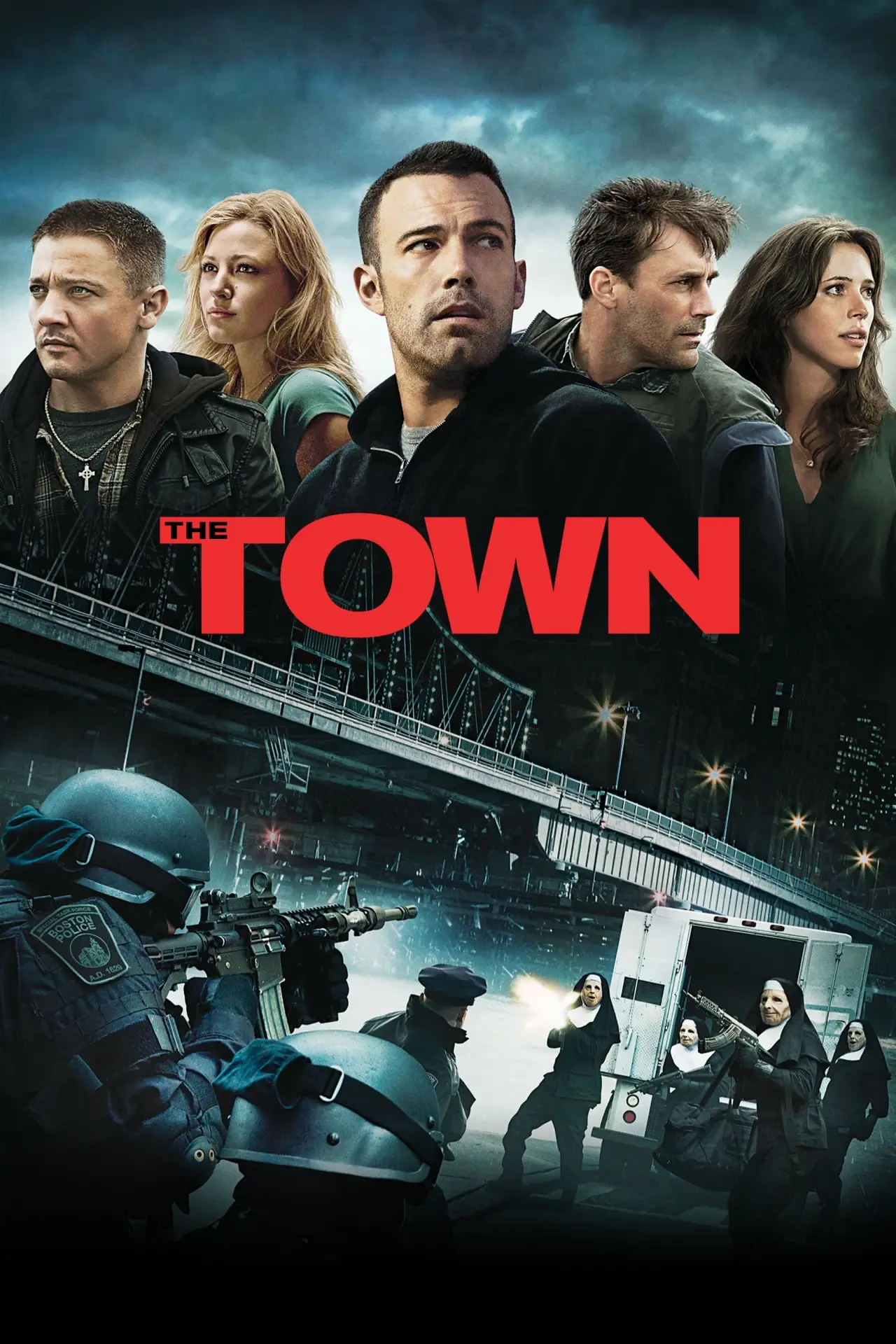
Welcome to the bank robbery capital of America.



Country
Production
Budget
$37 000 000
Box office
$154 026 136
Director
Actors
Scenario
Producer
Camera operator
Composer
Artist
Sharon Seymour
Audition
Lora Kennedy
Editing
Short description
A proficient group of thieves rob a bank and hold the manager hostage. Things begin to get complicated when one of the crew members falls in love with her.
What's left behind the scenes
- To get into character, Jeremy Renner spoke with convicts from Charlestown who had been imprisoned for robberies. From them, in particular, he adopted a specific accent.
- Ben Affleck also filmed his directorial debut, the drama 'Gone Baby Gone', in Boston.
- Initially, Graham King wanted to hire Adrian Lyne as the director, but due to numerous disagreements, he abandoned the idea and in 2008 invited Affleck, whose directorial debut in 'Gone Baby Gone' had greatly impressed him. Affleck, who had never before simultaneously served as an actor and director of a feature film, hesitated for several reasons. First and foremost, Affleck believed he risked being labeled a 'Boston guy,' as both 'Gone Baby Gone' and 'Good Will Hunting,' for which he wrote the screenplay, were set in that city. A further argument against it was the biased perception of films featuring Beantown (Boston's nickname) among Boston residents. Weighing the pros and cons, Affleck agreed, but stipulated that he would rewrite the script to his liking. He enlisted Aaron Stockard, a childhood friend from Cambridge with whom he later co-wrote 'Gone Baby Gone,' and got to work.
- Charles Town native Owen Burke stumbled into acting almost by accident. Released from prison six months before filming began, where Burke served time for "various misdeeds committed as a juvenile," he was searching for work, a difficult task given his background. Hearing an announcement for auditions for Ben Affleck's film, Burke decided he had nothing to lose. He stood in a line that stretched for several blocks, then read a script consisting of just one line, and left, not expecting to get the part, as he was competing against young professional actors. To his surprise, Burke was cast as the youngest member of the gang, and his recent prison experience proved useful, requiring "little effort to play a criminal."
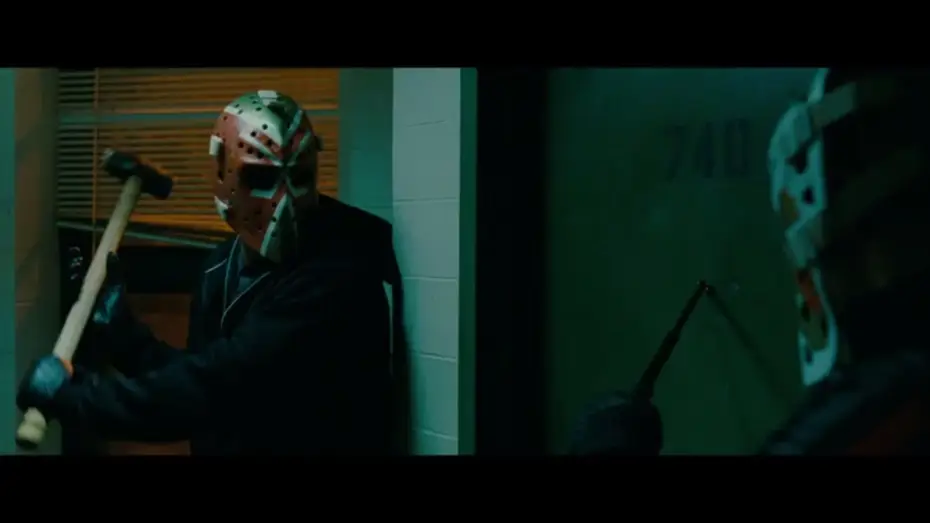
- A great fan of crime dramas, Affleck paid tribute to his favorite films in 'The Town', with references appearing in the following scenes: the interior of the Cambridge bank branch and, specifically, the vault door are reminiscent of the film 'The Friends of Eddie Coyle'. According to Affleck, he wanted to achieve the same level of realism in his work that had admired in that 1973 drama. In the Cambridge bank robbery scene, the noise and chaos in the hall are abruptly cut off, and the surveillance camera shows the robbers knocking employees to the floor in dead silence. Affleck borrowed this contrasting technique to heighten tension from the 1955 film 'The Asphalt Jungle', which he watched many times before starting his own picture. From the prisoners and FBI agents who consulted him, Affleck heard much praise for the cult film 'Heat'. Affleck commented that while it disappointed him that his work would be compared to that film, 'Heat' is considered a first-class piece of work among robbers. References to 'Heat' appear in several moments: MacRay watches the movie on TV after the Cambridge bank robbery; during the showdown with Dominican drug dealers, he and Jem wear the same goalie masks used by Neil McCauley's gang during the armored car heist; in a conversation with his father, in response to Doug's desire to leave, MacRay Sr. skeptically remarks, 'Either you got heat on your back or you don't.' McCauley says similar words, though in a slightly different context. Among other influential films, Affleck also named 'The Usual Suspects', 'Inception', 'Point Break', 'Reservoir Dogs', 'Snatch', 'Ocean's Eleven', 'The Bank Job', and 'Murder'.
- Filming began in late August 2009 in Boston and lasted for 13 weeks. Police officers acting as extras even used their vacation days to continue participating in the production. The crew sometimes worked 16 hours a day, but the actors in the film unanimously agreed that Affleck was very easy and pleasant to work with.
- The original version of the script envisioned a film lasting over four hours. Warner Bros. representatives refused to release such a long movie, arguing that it would be very difficult to maintain the audience's attention for that period. In three days, Affleck cut the script down to 2 hours and 50 minutes, but the studio was still not satisfied. Ultimately, the theatrical release ran 2 hours and 5 minutes; however, an Extended Cut DVD was later released. This version, lasting two and a half hours, devoted more time to dialogue and character development and featured expanded heist scenes.
- A big fan of crime dramas, Affleck paid tribute to his favorite films in "The Town," with references appearing in the following episodes: The interior of the Cambridge bank branch, and in particular the vault door, is reminiscent of "The Friends of Eddie Coyle." According to Affleck, he wanted to achieve the same level of realism in his work that he admired in this 1973 drama. In the Cambridge bank robbery scene, the noise and chaos in the hall are abruptly cut off, and the security camera in complete silence shows the robbers knocking employees to the floor. Affleck borrowed this contrasting technique, which heightens the tension, from the 1955 film "The Killing," which he rewatched many times before starting to shoot his film. Affleck heard a lot of praise for the cult film "Heat" from the prisoners and FBI agents who consulted with him. Affleck commented that while he is upset that his work will be compared to this film, "Heat" is considered by robbers to be a masterpiece. References to "Heat" appear in several moments: MacRay watches the film on television after the Cambridge bank robbery; during the altercation with Dominican drug dealers, he and Jem put on the same goalie masks used by Neil McCauley's gang during the armored car robbery; in a conversation with his father, in response to Doug's desire to leave, MacRay Sr. skeptically throws: "Either there's heat on our backs or there isn't." McCauley says similar words, but in a slightly different context. Among other films that influenced him, Affleck also named "The Usual Suspects," "Inception," "Point Break," "Reservoir Dogs," "Lock, Stock and Two Smoking Barrels," "Ocean's Eleven," "The Bank Job," and "Murder."
- During the shootout scenes, Jeremy Renner drew on extensive experience with firearms gained during filming 'S.W.A.T.' and 'The Hurt Locker.' Renner's skill was so apparent that Affleck asked him to be 'more careless.'
- Initially, Graham King wanted to appoint Adrian Lyne as director, but due to numerous disagreements, he declined his services and in 2008 invited Affleck, as he had been very impressed by Affleck's directorial debut in 'Gone Baby Gone'. Affleck, who had never before served as both actor and director of a feature film, had doubts for several reasons. First and foremost, Affleck felt he risked being labeled a 'Boston guy,' since the action of 'Gone Baby Gone', as well as 'Good Will Hunting', for which he wrote the screenplay, took place in that city. An additional argument against it was the biased evaluation by Boston residents of films featuring Beantown (a nickname for Boston). After weighing the pros and cons, Affleck agreed, but on the condition that he rewrite the script at his own discretion. He invited Aaron Stockard, a childhood friend from his time in Cambridge with whom he later wrote the script for 'Gone Baby Gone', and got to work.
- Affleck did not cast his wife, Jennifer Garner, in the role of Claire, as he did not want to repeat the bitter experience of the failed film 'Gigli', which he had filmed while in a close relationship with Jennifer Lopez. Graham King recommended that he look into Rebecca Hall. Affleck decided he would hire Hall if he liked her in person and if she 'didn't argue every minute'.
- It was supplied to cinemas under the code name “Criminal Intent”.
- Affleck and Stockard gathered a vast amount of information about Charlestown, visited several prisons to consult with incarcerated robbers, and met with police officers and FBI agents. As a result, some of the consultants appeared in cameo roles, prompting Jeremy Renner to sarcastically remark: 'Almost everyone on set was a crook of some specialty at some point. And there were probably a couple of guys there who are still robbing banks.'
- The former Massachusetts Bank building, located in the Melrose area, the Mohegan Sun casino in Montville, the Massachusetts Correctional Institution in Walpole, and the Anderson Regional Transportation Center were used as filming locations.
- The initial script envisioned a film lasting over four hours. Representatives from "Warner Bros." refused to release such a long film, arguing that it would be very difficult to hold the audience's attention for that length of time. Affleck cut the script to 2 hours and 50 minutes in three days, but the studio was still not satisfied. Ultimately, the length of the version that reached theaters was 2 hours and 5 minutes, however, a DVD was later released: Extended Cut—a version lasting two and a half hours, with more time devoted to dialogue and character development, and expanded robbery scenes.
- The potential ending caused significant disagreement during production. In the novel, the protagonist is mortally wounded in a shootout with Fergie and dies in Claire's apartment in her arms, but this option was unanimously rejected. The producers also disliked a potentially sugary 'happily ever after' finale, so Affleck opted for a certain ambiguity that left hope for the main characters. Nevertheless, an alternative version titled the Extended Alternate Cut was released shortly after, in which the protagonist dies at the hands of gangsters in the film's finale.
- Slane first met Affleck when the latter was casting for the film 'Gone Baby Gone'. Affleck saw an article about Slane in the Boston Herald and invited the rapper for an audition. Initially, Ben wanted to offer Slane a cameo as the drug dealer Cheese, but after the auditions, he convinced the producers to give the singer the more significant role of Bubba Rogowski.
- Affleck did not cast his wife, Jennifer Garner, in the role of Claire, as he did not want to repeat the bitter experience of the failed film "Gigli," in which he starred with Jennifer Lopez while simultaneously being in a close relationship with her. Graham King recommended that he pay attention to British actress Rebecca Hall. Affleck decided he would invite Hall to star if he liked her in person and if she "didn't argue every minute." The actress, who flew in from London to New York for one day, lived up to his expectations, and he cast her as Claire without formal auditions.
- Affleck did not cast his wife, Jennifer Garner, in the role of Claire, as he did not want to repeat the bitter experience of 'Gigli,' in which he starred with Jennifer Lopez while in a close relationship with her. Graham King recommended that he take a look at Rebecca Hall. Affleck decided he would invite Hall if he liked her in person and if she 'didn't argue every minute.'
- Significant disagreements during the film's production revolved around the possible ending. In the novel, the protagonist is fatally wounded in a shootout with Fergie and dies in Claire's apartment in her arms, but this option was unanimously rejected. The producers also disliked a potentially saccharine ending of "they lived happily ever after," so Affleck preferred a degree of ambiguity, leaving hope for the main characters. However, an alternative version with the subtitle Extended Alternate Cut was soon released, in which the protagonist dies at the hands of bandits at the end of the film.
- Charlestown native Owen Burke ended up among the cast by chance. Six months before filming began, he was released from prison, where Burke had served time for 'various mischief committed as a juvenile', and he was searching for a job, which was no easy task given his background. Upon hearing about auditions for Ben Affleck's film, Burke decided he had nothing to lose. He waited in a line that stretched for several blocks, read a script consisting of just one line, and left without hoping to get the part, as his competitors were young professional actors. When Burke was surprisingly cast as the youngest member of the gang, his recent prison experience proved useful, and it 'didn't take much effort for him to play a criminal'.
- Affleck had never watched 'Gossip Girl,' which made Blake Lively famous, but noticed her in 'The Private Lives of Pippa Lee.' He edited the script, where Krista was originally conceived as a 37-year-old woman, and sent it to Blake. Blake received the script while on the set of 'Gossip Girl.' The actress was born and raised in California, but her first audition was so convincing that Affleck asked in what part of Boston she had grown up. Before filming 'The Town,' Lively continued to work on 'Gossip Girl,' but flew to Boston on weekends to immerse herself in the role of Krista, spending time in bars and talking to women similar to her character.
- On December 23, 2010, an armed man wearing a Halloween rubber mask robbed a bookstore belonging to Borders Group in Peabody, taking a significant amount of money. The robber's burned-out car was found the next morning in Salem, and the robber himself remained at large. The mask and method of disposing of the vehicle drew parallels to the film in the press.
- The full version of the film has a runtime of 150 minutes.
- Slyne first met Affleck when he was looking for actors for "Goodbye Baby, Goodbye." Affleck saw an article about Slyne in the "Boston Herald" and invited the rapper to audition. Initially, Ben wanted to offer Slyne a minor role as the drug dealer Cheez, but after the audition, he convinced the producers to give the singer a more significant role as Bubby Rogowski.
- On January 4, 2011, three men – Li Lubin (29 years old), Eddie Solomon (27 years old), and Kay Dofin (28 years old) – robbed a Bank of America branch in Delray Beach, Florida. The robbers, dressed in Halloween masks, stole $67,000 from the bank and attempted to escape in a Cadillac, but after a lengthy chase, police were able to arrest the criminals. In court, Lubin said the idea to rob the bank came to him after watching the film "The Town."
- The film is based on the novel 'Prince of Thieves' (2004) by Chuck Hogan.
- The film is based on the novel “Prince of Thieves” (2004) by Chuck Hogan.
- Ben Affleck also filmed his directorial debut – the drama "Goodbye, Baby, Goodbye" – in Boston.
- All the police cars shown in the film belong to the fictional A-8 unit.
- Filming began in late August 2009 in Boston and lasted 13 weeks. Police officers who appeared as extras even used their vacation days to continue participating in the film's creation. The film crew sometimes worked 16-hour days, but the actors involved in the film unanimously agreed that it was very easy and pleasant to work with Affleck.
- Affleck had never watched the series 'Gossip Girl', which made Blake Lively famous, but he noticed her in the film 'The Private Lives of Pippa Lee'. He edited the script, in which Krista was originally conceived as a 37-year-old woman, and sent it to Blake. Blake received the script while on the set of 'Gossip Girl'. Although the actress was born and raised in California, her first audition was so convincing that Affleck asked which neighborhood in Boston she had grown up in. Before filming began on 'The Town', Lively continued working on 'Gossip Girl' and flew to Boston on weekends, where she spent time in bars talking to women similar to her character to immerse herself in the role of Krista.
- On May 29, 2011, two men robbed a TCF Bank branch in Palos Heights, Illinois. Like the characters in the film, the robbers were dressed in monastic robes and concealed their faces behind rubber masks. Stealing an undisclosed amount of money from the bank and authorities, the criminals fled in a tinted-window Chevrolet.
- To get into character, Jeremy Renner communicated with convicted robbers from Charlestown. From them, he adopted, among other things, a specific accent.
- During the shootout scenes, Jeremy Renner utilized his extensive experience with firearms gained while filming 'S.W.A.T.' and 'The Hurricane Heist'. Renner's proficiency was so pronounced that Affleck asked him to be 'more sloppy'.
- Affleck and Stockard gathered a wealth of information about Charlestown, visited several prisons where they consulted with incarcerated bank robbers, and also met with police officers and FBI agents. As a result, some of the consultants played minor roles, prompting Jeremy Renner to sarcastically remark, 'Almost everyone on set at one point had been a crook of some kind. And there were probably a couple of guys who were still robbing banks.'
Similar movies
9/10
8.7/10
8.5/10
8.4/10
8.4/10
8.3/10
8.3/10
8.3/10
8.2/10
8.2/10


 Auditions in India
 Casting calls in USA
 Castingi w Polsce
 Кастинги в Україні
