The difference between acting in a studio and on location
Behind the Scenes: Cinema: The difference between acting in a studio and on locationTo the viewer, the difference between a studio and a location is invisible, but for an actor, it is substantial. The pace of work, the number of takes, physical conditions, and the required level of precision all change. Preparing for these different types of shoots requires a different approach.
The Studio: A Controlled Environment
In a studio, everything is constructed: the walls, windows, lighting, and the "weather" outside. Since production isn't dependent on the sun or rain, the shooting schedule is typically tighter and more predictable.
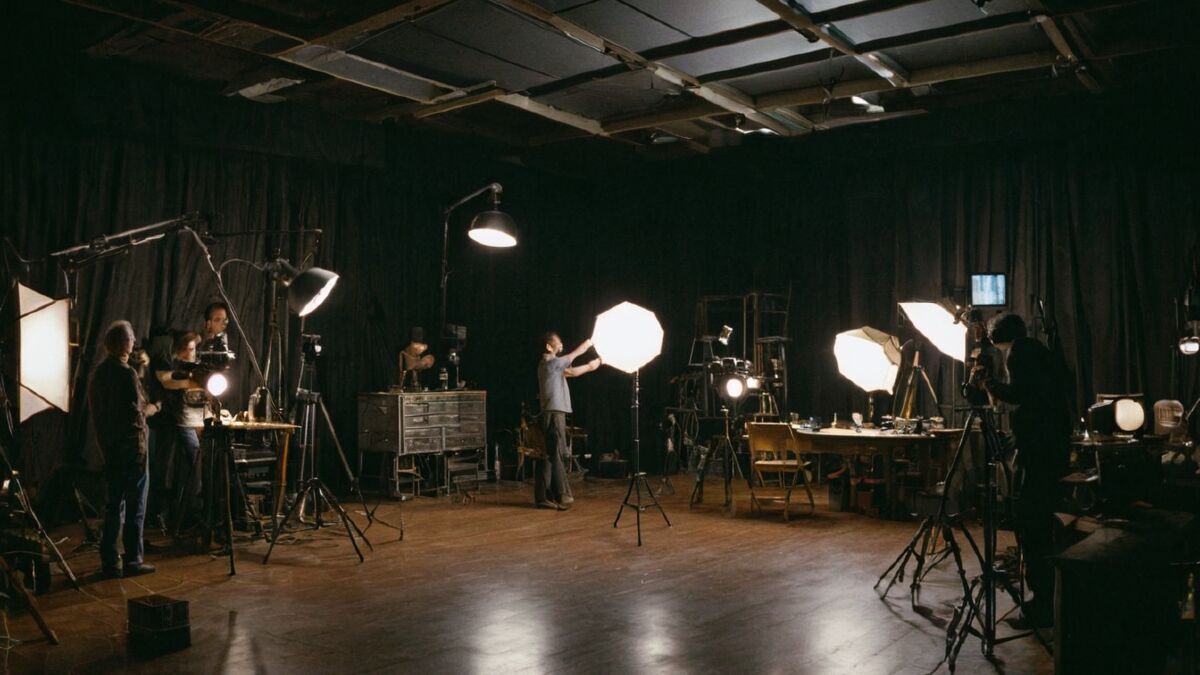
What this means for the actor:
- More takes. There is no rush to beat the fading light, so the director can spend more time achieving the exact performance they want.
- Higher precision requirements. Marks, repetitive movements, and hitting the light are monitored much more strictly.
- Long lighting setups. You will spend a lot of time waiting between setups—sometimes for hours.
- Heat. Studio lights generate significant heat; wearing a winter wardrobe in a hot studio during summer can be challenging.
- Cramped spaces. Walls are often removable flats, and space is limited, so you must move carefully.
- Clean sound. Because the environment is controlled, ADR (automated dialogue replacement) is required less often.
How to prepare: Wear lightweight clothing under your costume, bring water, and be mentally prepared for long waits in makeup. Keep your script handy: a single scene might be shot for half a day, and the order of takes often changes.
On Location: The Environment Dictates
On location, the "boss" is the light and the weather. The entire schedule is built around them, which completely changes the rhythm of the day.
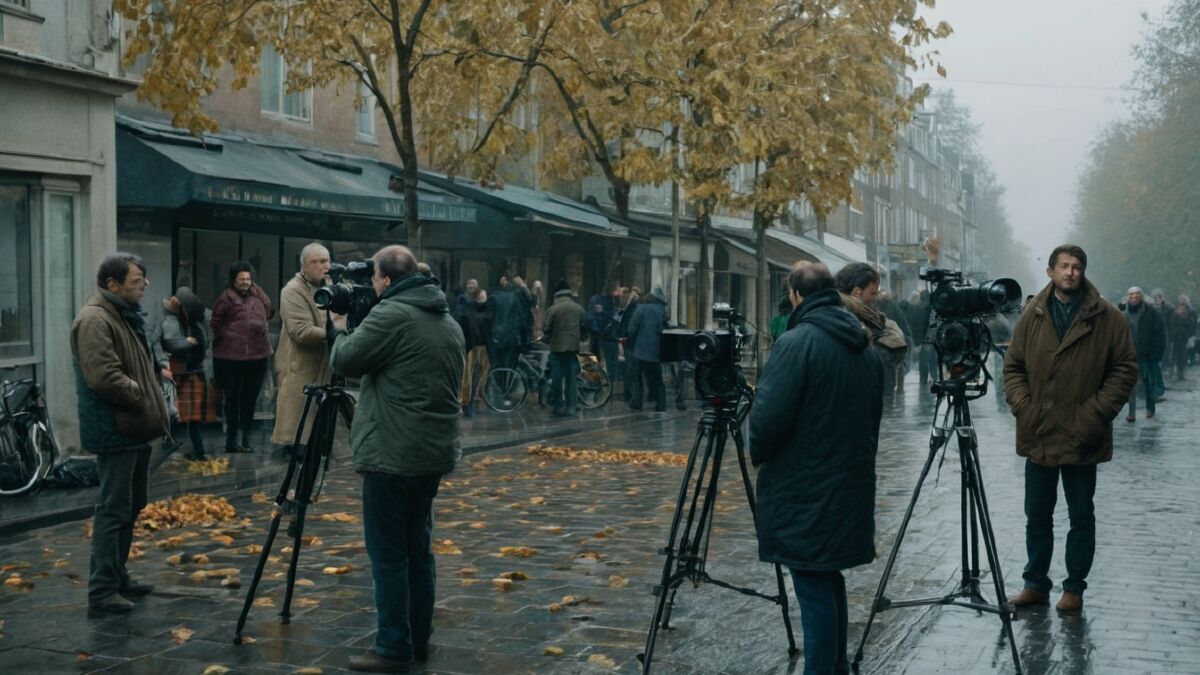
What this means:
- Fewer takes. Light fades quickly, and the scene must be captured before it's gone. You are expected to be ready and deliver immediately.
- Haste and sudden changes. The order of scenes often shifts on the fly to adapt to the weather.
- Long waits followed by instant action. The hardest part for an actor is maintaining readiness for hours and then stepping into character in a minute.
- Physical conditions. Cold, heat, wind, rain, insects, or uneven terrain.
- Ambient noise. Traffic, planes, wind, and crowds. Post-synchronization/ADR is highly likely.
- Bystanders. Public locations often attract onlookers, meaning you may have to perform in front of a crowd.
How to prepare: Dress in layers according to the actual weather, bring a thermos, extra shoes and socks, insect repellent in summer, or hand warmers in winter. Always notify the makeup artist if you are freezing—blue lips are visible on camera.
How Conditions Affect Your Performance
Cold. It stiffens the body and voice, making breathing shallow. Warm up physically before a take; do not stand still. Between takes, put on a jacket over your costume—this is standard practice, and the wardrobe department will usually provide one.
Heat. It slows you down, dries out your throat, and can ruin makeup. Drink water in small, frequent sips rather than gulping it down right before a take.
Wind. It disrupts sound and may tempt you to speak louder than necessary. Don't give in: perform at a normal volume; the sound mixer will handle the technical side.
Waiting. This is the primary activity in both settings. The difference is that in a studio, you have a rough idea of when you'll be called; on location, you might be called in a split second.
Special Location Scenarios
Residential homes and street shoots. These require silence, have limited time windows, and involve neighbors. Work must be done quickly.
Night shoots. A separate challenge: the cold is more intense, fatigue accumulates faster, and lighting takes longer to set up. Sleep during the day and don't rely on coffee as a total solution.
Water. Wet clothes, hypothermia, and a limited number of takes due to the time needed to dry costumes. Ask in advance if wetsuits are provided under the wardrobe and where you can warm up.
Vehicles in shot. Shooting in a car is cramped and time-consuming, often with a camera on the hood and no opportunity to step out.
Common Ground
- A typical shift is around twelve hours, most of which is spent waiting.
- Hitting marks, maintaining continuity, and repeatability are mandatory everywhere.
- All questions should be directed through the second assistant director (2nd AD).
- Do not leave the scene until the "cut" command is given.
Pre-Shoot Checklist
- Check your call sheet to see if the scene is INT (Interior) or EXT (Exterior) and the time of day according to the script.
- Check the weather forecast for the specific location, not just your home neighborhood.
- Pack gear for the conditions: layers, appropriate footwear, thermos, and water.
- Clarify if there is a designated area to warm up or hide from the sun.
- Have your script available offline—cell service can be spotty on remote locations.
- Allow extra travel time: rural or remote locations can be difficult to find.
Summary
- Studio: More takes, higher precision, heat, and scheduled waiting.
- Location: Fewer takes, rushing, weather dependencies, and ambient noise.
- Key location skill: Maintaining readiness and entering a scene instantaneously.
- Dress for reality: Wear clothes for the actual weather, not the weather in the script.
- Speak up: If you are freezing or overheating, tell the crew immediately; it is a professional matter.
Note: Rates, contract forms, and tax rules vary by market and jurisdiction.
Find projects with both studio and location shoots in the castings section.
Share


Author: Daniel Reeves, industry reporter
Publication date: August 26 2026
Views: 17
Comments
Other materials in this section

From table reads to on-set blocking, learn what is expected of you at every stage and why preparation is more critical than most beginners realize.
A detailed guide to decoding your call sheet, understanding the difference between call time and shoot time, and planning your day on set.
 Auditions in India
 Casting calls in USA
 Castingi w Polsce
 Кастинги в Україні
